
Views: 0 Author: Site Editor Publish Time: 2025-09-12 Origin: Site
Maintaining your vehicle’s suspension system is crucial for comfort, handling, and safety. One of the most critical yet often overlooked components is the strut mount. Whether you’re experiencing noise issues, preparing for a replacement, or just want to understand how your suspension works, this guide will cover everything you need.
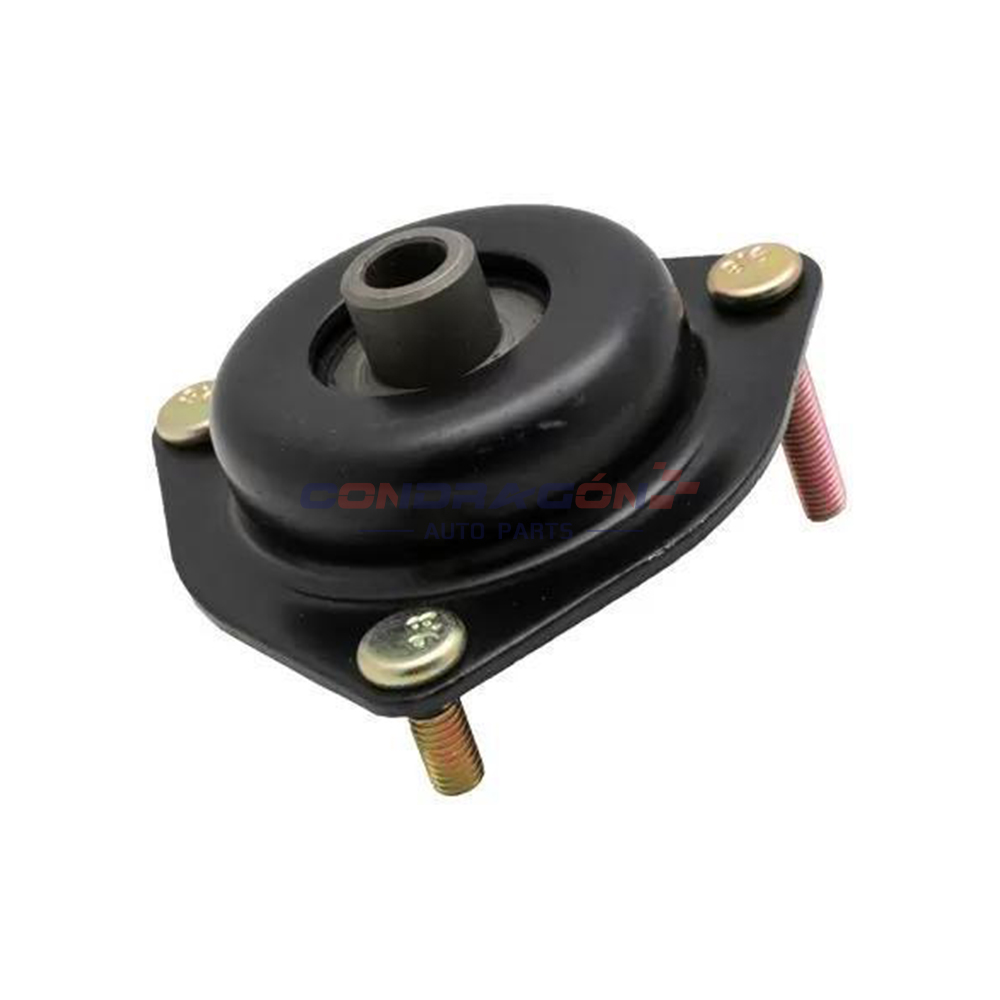
A strut mount is a vital component that connects the vehicle’s strut assembly to the chassis. It serves multiple functions:
Structural Support: It anchors the strut to the vehicle, supporting both vertical and lateral loads.
Vibration Dampening: Equipped with rubber or polyurethane, it reduces vibrations transmitted from the road to the vehicle’s cabin.
Noise Reduction: By isolating metal-on-metal contact, it minimizes suspension noise.
Bearing Function: Many strut mounts include a bearing that allows the strut to rotate during steering, improving maneuverability.


Excessive clunking or creaking noises when driving over bumps.
Uneven tire wear due to misaligned suspension geometry.
Reduced handling performance or a loose steering feel.
Visible cracks or wear on the rubber part of the mount.
Replacing a strut mount may seem complicated, but with the right tools and procedure, it’s manageable for DIY enthusiasts. Here’s a step-by-step guide for a strut mount replacement:
| Step | Description | Tools Needed |
|---|---|---|
| 1 | Safety First: Park on a level surface and secure the car with wheel chocks. | Jack, Jack stands |
| 2 | Remove the Wheel: Loosen lug nuts, lift the vehicle, and remove the wheel. | Lug wrench, Jack |
| 3 | Detach the Strut Assembly: Remove bolts connecting the strut to the control arm and steering knuckle. | Socket set, Wrenches |
| 4 | Compress the Spring: Use a spring compressor to safely compress the coil spring. | Spring compressor |
| 5 | Remove the Old Strut Mount: Take off the top strut nut and replace the mount. | Socket set, Wrenches |
| 6 | Install the New Mount: Place the new mount, ensuring correct orientation and torque. | Torque wrench |
| 7 | Reassemble the Strut Assembly: Reattach the strut to the vehicle and torque all bolts as recommended by the manufacturer. | Torque wrench |
| 8 | Reinstall the Wheel: Lower the car, tighten lug nuts, and double-check everything. | Lug wrench |
Tip: Always follow the manufacturer’s torque specifications when performing a torque strut mount to avoid premature wear or damage.


Strut mount noise is a common issue, especially in older vehicles or those driven on rough roads. Here are some effective solutions:
Look for cracked rubber, worn bearings, or loose bolts. Damaged mounts should be replaced immediately.
Loose bolts can cause rattling. Ensure proper torque strut mount using a torque wrench.
For mounts with bearings, applying a small amount of high-quality grease can reduce squeaks and friction.
If the noise persists, a full strut mount replacement is the most reliable solution.
Sometimes, noise may originate from worn struts, control arms, or bushings. Inspect the entire assembly to prevent repeated issues.
Understanding different types of strut mounts can help you choose the right replacement:
| Type | Features | Best For |
|---|---|---|
| Standard Rubber Mount | Basic vibration isolation, cost-effective | Daily drivers, light vehicles |
| Bearing Mount | Includes a bearing for steering rotation | Front struts, vehicles with MacPherson struts |
| Hydraulic Mount | Filled with fluid to absorb shocks | Luxury cars, SUVs, vehicles needing superior comfort |
| Polyurethane Mount | Durable, stiffer than rubber | Performance vehicles, off-road use |
Inspect mounts every 20,000–30,000 miles.
Replace mounts when replacing struts to extend overall suspension life.
Avoid overloading the vehicle, as it can accelerate wear.
Listen for unusual noises after hitting bumps or potholes.
A strut mount is a component that connects the strut assembly to the vehicle chassis, absorbing vibrations, supporting weight, and reducing noise. Some mounts also include a bearing to allow steering rotation.
Changing a strut mount involves removing the wheel, detaching the strut, compressing the coil spring, replacing the mount, and reassembling the strut with proper torque. Always follow safety precautions and torque specifications.
Noise can be fixed by inspecting the mount for damage, tightening bolts, lubricating bearings, or performing a full strut mount replacement. Checking other suspension components ensures the noise source is addressed.
Most strut mounts last between 50,000–100,000 miles, but this varies based on driving conditions and vehicle type. Regular inspection can prevent sudden failures.
Yes, with the right tools and knowledge, you can replace a strut mount yourself. However, improper torque or spring handling can be dangerous, so professional help is recommended if unsure.
A well-maintained strut mount is crucial for your vehicle’s handling, safety, and comfort. Regular inspection, proper torque, and timely replacement can prevent noise and improve suspension performance.
For high-quality strut mounts and professional guidance, choose Condragon Parts. Our products ensure durability, precise fit, and peace of mind for your vehicle.
Email: manager@condragonparts.com
Phone: +86 750 2859 838
 、
、


