
Views: 0 Author: Site Editor Publish Time: 2026-03-23 Origin: Site
Automotive safety relies heavily on the proper function of every suspension component. When drivers experience a smooth ride over uneven pavement, they often overlook the hidden parts doing the heavy lifting. One critical component making this comfort possible is the Strut Mount. This guide explores exactly what this component does, how it contributes to vehicle stability, the signs indicating a necessary strut mount replacement, plus the relationship between the strut and strut mount.
We will outline the key takeaways for maintaining your vehicle's suspension system, ensuring you understand the mechanical principles keeping your car safely on the road.
To understand automotive suspension functionality, you must first look at the connection points. A Strut Mount acts as the vital bridge securing the suspension system to the vehicle chassis. It provides a mounting point that absorbs tire vibrations, road shock, plus suspension noise. Without a functioning Strut Mount, the impact of every pothole would transfer directly into the vehicle cabin.
The Strut Mount typically contains a rubber-like insulating material. This insulation cushions the impact. Furthermore, front Strut Mount setups often include a bearing mechanism. This bearing allows the entire strut to rotate smoothly when you turn the steering wheel. Maintaining this bearing is crucial for automotive safety.


Vehicle owners often confuse the different parts of their suspension system. Understanding the relationship between the strut and strut mount helps clarify maintenance requirements. The strut assembly supports the vehicle's weight, absorbs large bumps, plus maintains tire contact with the road. The Strut Mount attaches this assembly securely to the car's body.
When mechanics inspect the suspension, they evaluate both the strut and strut mount together. If the strut fails, the mount usually experiences excessive stress. Conversely, a degraded Strut Mount can cause premature wear on the strut itself.
Here is a breakdown detailing the differences between these essential parts.
Component Feature | Strut Assembly | Strut Mount |
|---|---|---|
Primary Function | Dampens spring oscillation | Connects suspension to the vehicle frame |
Vibration Control | Absorbs major road impacts | Isolates micro-vibrations from the cabin |
Steering Role | Pivots during turns | Contains the bearing enabling the pivot |
Replacement Timeline | Usually every 50,000 to 80,000 miles | Often replaced during a strut mount replacement |
System Synergy | Relies on the mount for stability | The strut and strut mount work in unison |
Recognizing the early warning signs of component failure prevents dangerous driving conditions. Automotive safety requires proactive maintenance. A timely strut mount replacement saves you from more expensive suspension repairs later.
The most common indicator requiring a strut mount replacement is a distinct clunking or rattling noise. You will typically hear this sound when driving over bumps or uneven surfaces. Because the Strut Mount contains rubber insulators, age or exposure to elements causes this rubber to harden, crack, or completely disintegrate. Once the rubber fails, metal contacts metal, creating loud clunking sounds.
If the front Strut Mount bearing binds or fails, you will notice steering problems. The steering wheel might feel stiff, or you might hear a groaning noise when turning at low speeds. Proper suspension functionality requires smooth rotation. Replacing the strut and strut mount simultaneously often resolves these steering difficulties.
A degraded Strut Mount loses its ability to isolate road vibrations. Drivers will feel these vibrations directly through the steering wheel or the floorboards. This vibration compromises driving comfort, leading to driver fatigue. Scheduling a strut mount replacement promptly restores the smooth ride you expect.
When the strut and strut mount fail to maintain proper wheel alignment, your tires suffer. You might notice the inner or outer edges of your tires wearing down much faster than the center. This uneven wear compromises automotive safety by reducing traction. A complete inspection of the strut and strut mount helps identify alignment shifts caused by failing mounts.
Executing a strut mount replacement involves specialized tools. Mechanics must safely compress the heavy suspension springs before removing the top mount. Attempting a strut mount replacement without proper training or tools poses severe safety risks.
Professionals always recommend replacing the strut and strut mount simultaneously. Since the labor required to access the Strut Mount is identical to the labor needed for the strut itself, doing both at once saves significant money. Ignoring the mount while installing a new strut often leads to premature failure of the new parts. The synergy between the strut and strut mount dictates that they age together.
Proactive inspections remain the best defense against sudden suspension failure. Every time you rotate your tires, ask your technician to inspect the strut and strut mount. Visual inspections can reveal cracked rubber, rust accumulation, or physical separation of the Strut Mount components. If you observe any physical damage, schedule a strut mount replacement immediately. Delaying this service puts additional stress on adjacent steering components. Automotive safety systems rely on every single link in the chain. The Strut Mount is one of those crucial links holding everything together.
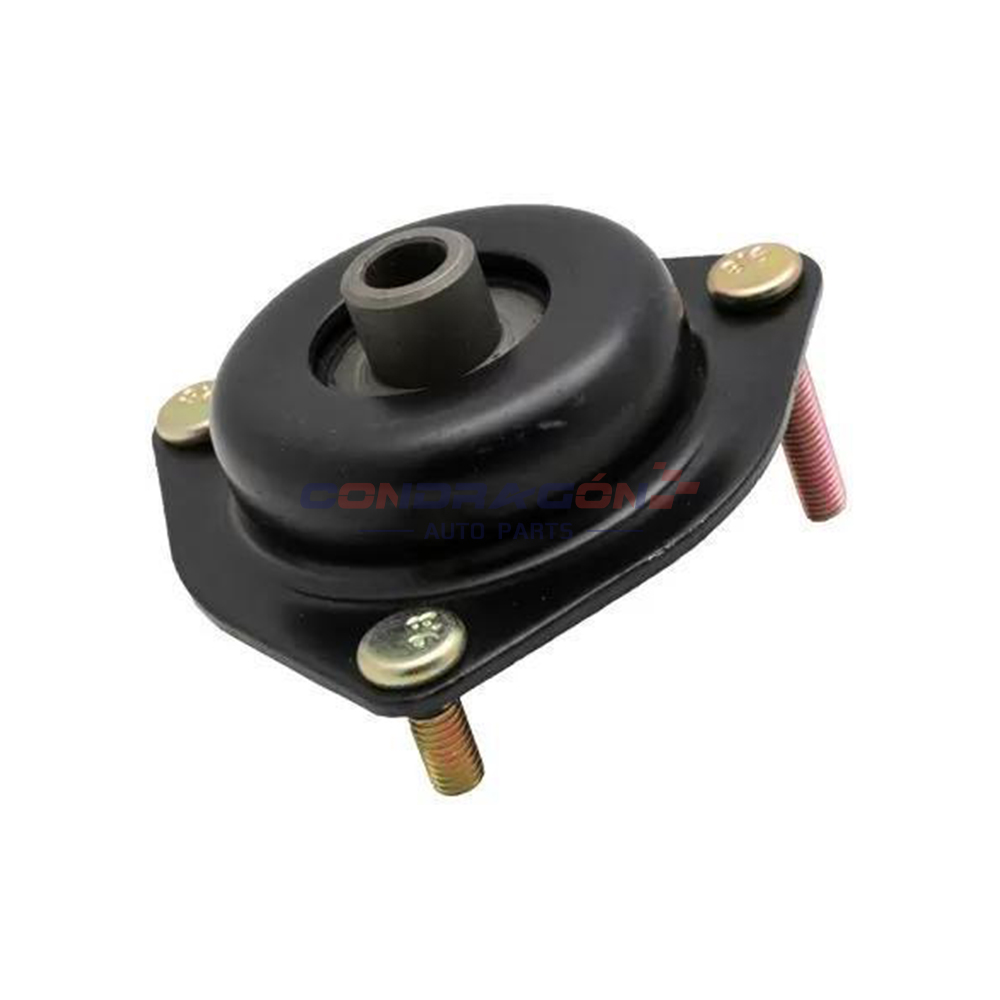
A Strut Mount is a suspension component that connects the vehicle's suspension strut to the chassis. It acts as an insulator, absorbing road shock, reducing noise, and allowing the front struts to pivot smoothly during steering.
Signs indicating you need a strut mount replacement include clunking noises over bumps, stiff or noisy steering, excessive steering wheel vibration, or visible damage to the mount's rubber insulation.
Yes, replacing the strut and strut mount together is highly recommended. The labor to access both parts is the same. Replacing the strut and strut mount simultaneously ensures optimal suspension functionality while saving you future labor costs.
Absolutely. A worn Strut Mount can shift the position of the suspension assembly. This shift throws off the vehicle's alignment, leading to poor handling or uneven tire wear.
Driving with a severely damaged Strut Mount compromises automotive safety. It reduces your ability to control the vehicle, especially during emergency maneuvers. You should arrange a strut mount replacement as soon as you identify the symptoms.
Maintaining your vehicle requires high-quality components. When the time comes for a comprehensive strut mount replacement, choosing reliable parts ensures your suspension functionality remains optimal. The connection between your strut and strut mount dictates the overall comfort of your ride.
For reliable, durable, precision-engineered suspension components, we highly recommend utilizing condragon parts. They provide the quality assurance necessary for keeping your vehicle safely on the road.


Email: manager@condragonparts.com
Phone: +86 750 2859 838


