
Views: 0 Author: Site Editor Publish Time: 2026-09-02 Origin: Site
Most drivers pay little attention to the parts that keep their engine steady. Yet these small rubber-and-steel components do heavy lifting every time you start the car, accelerate, or brake. When they fail, the symptoms are hard to ignore—shaking at idle, clunking when you shift, and vibrations that travel straight into the steering wheel.
Understanding where these components sit and how they work can save you money and stress. It also helps you spot trouble early, before a worn part turns into a costly repair. This guide breaks down the basics, walks through the warning signs, and explains what a proper replacement involves.
At Kaiping Huilong Auto Parts Factory, we've spent more than a decade manufacturing chassis parts built to original specifications. Our experience gives us a clear view of what quality components look like—and why they matter to your car's health.
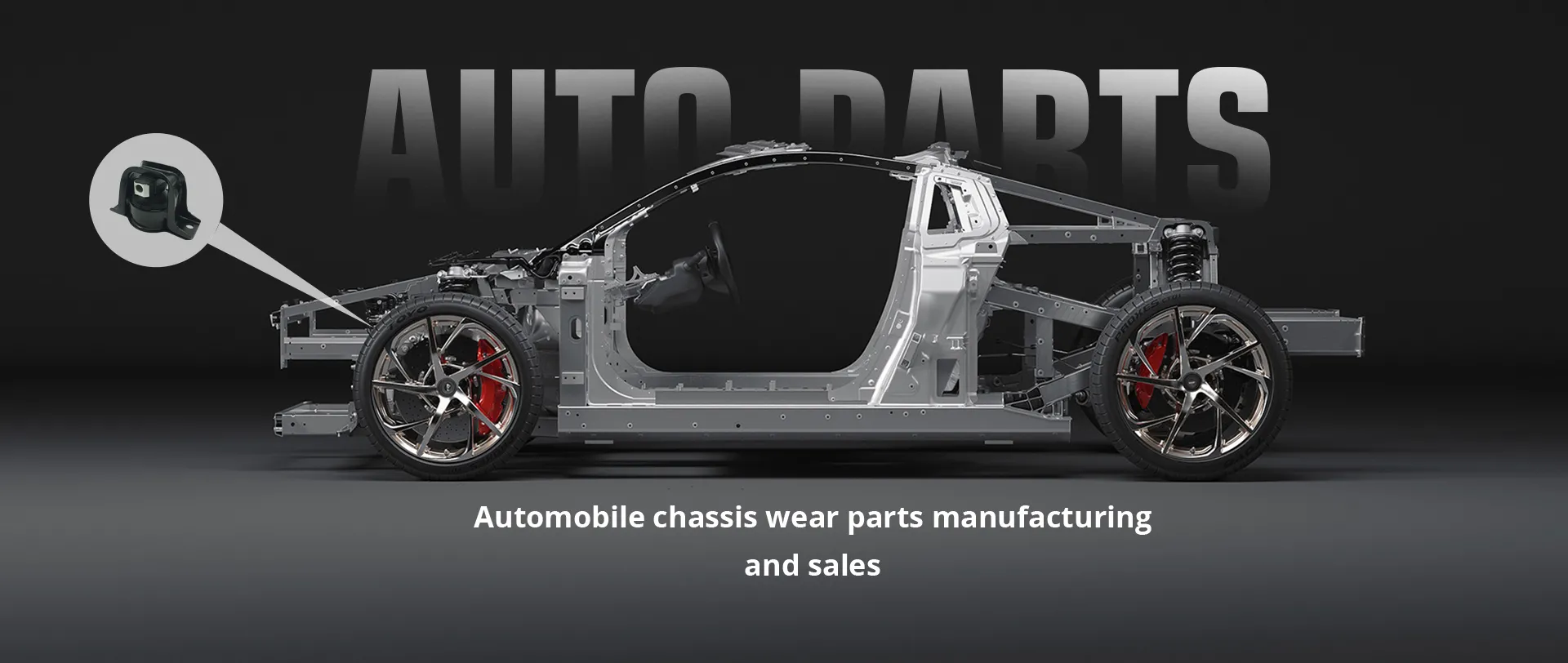
An engine mount connects your engine to the vehicle's frame. Its job is twofold: hold the engine firmly in place, and absorb the vibration it produces. Without it, every rumble from the motor would travel straight into the cabin.
Most cars have three or four mounts. Some sit on the sides, while others are placed underneath to control movement during acceleration and braking. Knowing the engine mounting location helps you inspect the right areas when something feels off. A quick visual check can reveal cracked rubber, oil leaks, or separation between the metal and rubber layers.
These mounts are built from natural rubber bonded to steel. The rubber flexes to soak up vibration, while the steel provides structural strength. When the rubber degrades, that balance breaks down—and the whole ride suffers.
Failing mounts rarely stay quiet. Here are the most common symptoms drivers notice, along with what they usually mean.
Symptom | Likely Cause | Urgency |
|---|---|---|
Shaking at idle | Worn or cracked rubber | Moderate |
Clunk when shifting gears | Loose or broken mount | High |
Steering wheel vibration | Failed vibration damping | Moderate |
Engine movement on acceleration | Torn mount | High |
Visible oil leak from mount | Ruptured hydraulic mount | High |
If you notice one or more of these signs, it's worth inspecting your mounts sooner rather than later. Small problems tend to grow. A single failing mount forces the others to carry extra load, which speeds up their wear too.
A damaged mount does more than create noise. Excess engine movement can strain hoses, belts, and exhaust connections. Over time, this leads to secondary failures that cost far more than a simple mount would.
Vibration is another concern. Constant shaking loosens bolts and fittings across the drivetrain. It also wears down surrounding components faster than normal. Replacing a mount early is almost always cheaper than dealing with the damage a bad one causes.
This is where part quality makes a real difference. A cheap mount with low-grade rubber may fail again within months. Choosing a replacing an engine mount solution built to original specifications helps you avoid repeat repairs. Our products use 100% natural rubber and undergo stability testing to ensure they last.
Replacing a mount follows a fairly consistent process, though the exact steps vary by vehicle. Here's a general breakdown.
Step | Action | Notes |
|---|---|---|
1 | Support the engine | Use a jack and wood block to relieve load |
2 | Remove old mount | Unbolt from frame and engine bracket |
3 | Compare new part | Confirm fitment against the original |
4 | Install new mount | Torque bolts to spec |
5 | Test drive | Check for reduced vibration and noise |
A careful engine mount change restores smooth operation and protects nearby parts. Many owners are surprised by how much quieter and steadier their car feels afterward. If you're not confident working under the hood, a trusted mechanic can handle the job in an hour or two for most vehicles.
Not all replacement parts are equal. The rubber compound, the bond between rubber and steel, and the manufacturing tolerances all affect how long a mount lasts. A poorly made part may fit but fail quickly under real driving stress.
Kaiping Huilong Auto Parts Factory develops every mount as a 1:1 match to the original design. We're an ISO9001 certified manufacturer, and our factory sits in Kaiping—a region known across China for its rubber expertise. Each part passes rubber stability testing and comes backed by a warranty, so you can install it with confidence.
Engine mounts don't get the attention they deserve, but they quietly protect your entire drivetrain. Learning to recognize the warning signs and understanding how these parts work puts you ahead of most drivers. When it's time to replace one, quality matters more than a low sticker price.
If you're shopping for reliable mounts built to original standards, explore the full range at Kaiping Huilong Auto Parts Factory. Our team is ready to help you find the right part for your vehicle—one that keeps your ride smooth for the long haul.
How long do engine mounts usually last?
Most last between 60,000 and 100,000 miles, though driving habits and climate affect their lifespan. Rough roads and frequent stop-and-go traffic wear them faster.
Can I drive with a worn mount?
You can, but you shouldn't for long. A worn mount lets the engine shift more than it should, which strains connected parts and can worsen quickly.
Should I replace all mounts at once?
Not always. If one fails but the others are in good shape, replacing just the bad one is fine. However, if the mounts are all high-mileage, replacing them together often saves labor time.


