Views: 0 Author: Site Editor Publish Time: 2026-10-28 Origin: Site
Every vehicle owner eventually notices the subtle warning signs — a shudder at idle, a knock when shifting gears, or a vibration that creeps into the steering wheel. These symptoms rarely point to something dramatic. More often than not, the real culprit is a worn rubber-and-metal component tucked beneath the hood, quietly absorbing the engine's movement until it simply can't anymore.
Replacing this part isn't just a routine maintenance task. It's the difference between a car that feels tight and responsive and one that rattles every time you accelerate. Understanding when and why this replacement matters can save drivers from bigger repair bills down the road, and it can extend the life of surrounding components that depend on a stable, well-supported powertrain.
This guide walks through what drives the need for replacement, what to expect from the process, and how choosing the right parts makes all the difference in long-term performance.
An engine produces constant vibration and torque, especially during acceleration and gear changes. Without proper support, that movement would transfer directly into the chassis, cabin, and drivetrain, leading to excessive wear and an uncomfortable ride.
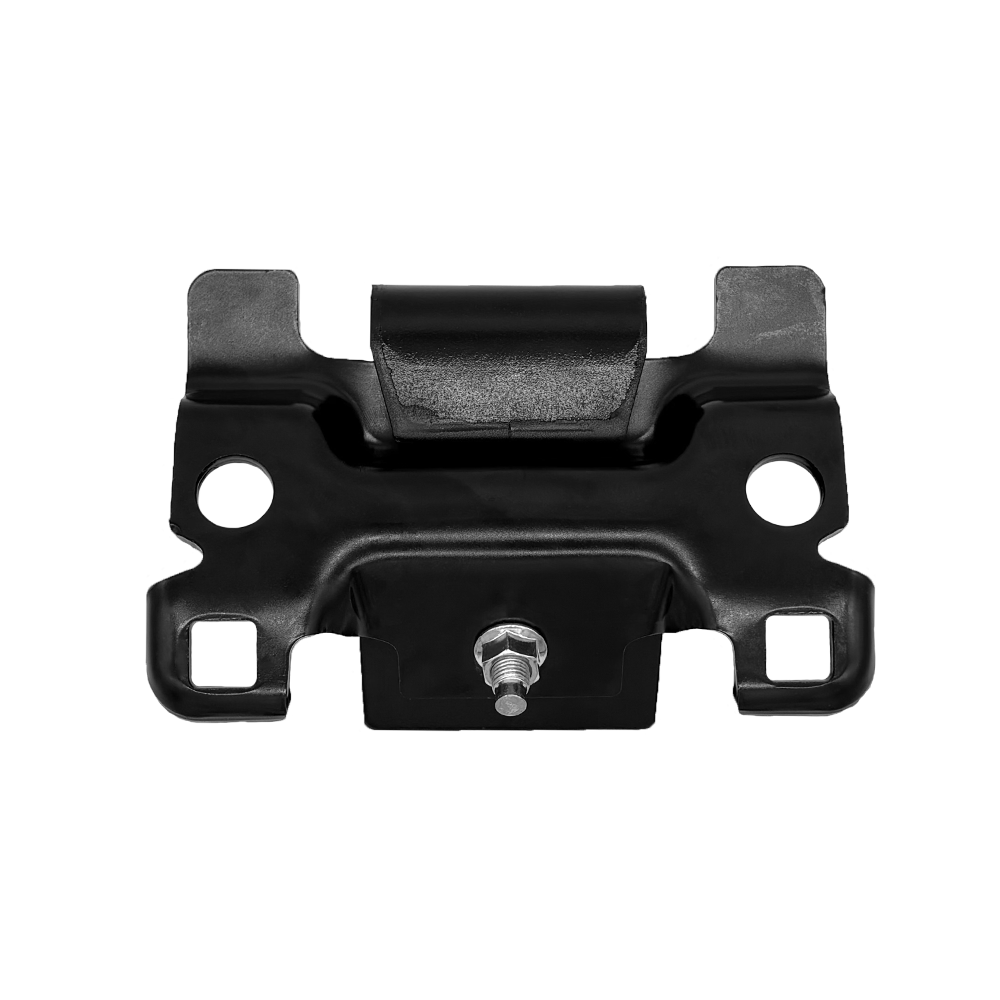
That's where an engine mount comes in. Built from natural rubber bonded to a metal bracket, it cushions the powertrain and keeps it aligned within the engine bay. Over time, however, heat, oil exposure, and constant flexing cause the rubber to crack, harden, or separate from the metal core. Once that happens, the engine shifts more than it should, and the vibrations drivers feel are a direct result of that lost support.
Not every vibration means immediate trouble, but certain patterns are hard to ignore. Drivers often report:
A noticeable clunk when shifting from park to drive
Excessive shaking at idle that settles once the car is moving
A rocking or jolting sensation during acceleration
Visible cracks or oil residue on the rubber portion when inspected
Unusual engine movement when the hood is open and the car is revved
These symptoms tend to worsen gradually, so many drivers adjust to them without realizing how much smoother their car used to feel. By the time the noise becomes impossible to ignore, the surrounding brackets or nearby bushings may already be absorbing extra stress they weren't designed to handle.
This question comes up often, and the short answer is no — both terms describe the same component. "Engine mount" tends to be the more technical term used in manuals and parts catalogs, while "motor mount" is the everyday phrase many drivers and mechanics use interchangeably. Regardless of which term a shop uses, the part in question performs the same job: anchoring the engine securely while isolating cabin occupants from vibration and shock.
Fleet managers and everyday drivers alike eventually face the same decision — patch the problem or replace the part outright. Minor surface cracking with no visible separation may tolerate a short delay, but once the rubber has torn away from the metal core, no amount of adjustment will restore proper support. Waiting too long risks damage to transmission mounts, exhaust components, and even the radiator, since a loose engine can shift far enough to contact nearby parts.
The table below breaks down how to weigh common scenarios:
Condition Observed | Recommended Action | Why It Matters |
|---|---|---|
Minor surface cracks, no movement | Monitor and inspect regularly | Rubber may still provide adequate support short-term |
Visible separation from metal bracket | Replace immediately | Engine movement increases, risking damage to nearby parts |
Oil or fluid contamination on rubber | Replace immediately | Oil accelerates rubber breakdown and weakens the bond |
Excessive vibration at idle | Inspect and likely replace | Often indicates advanced wear beyond simple tightening |
Clunking noise during gear shifts | Replace | Worn mounts can no longer control torque movement |
Replacing a worn component typically involves supporting the engine with a jack or support bar, removing the bolts securing the old mount, and installing the new unit before carefully lowering the engine back into position. The process sounds straightforward, but precision matters. A mount installed at the wrong angle or torqued incorrectly can fail prematurely, undoing the benefit of the replacement altogether.
This is also the stage where part quality makes the biggest difference. Low-grade rubber compounds degrade faster under heat and stress, sending drivers back into the shop within a year or two. Original equipment-matched components, built with tested rubber formulations and correctly dimensioned brackets, tend to hold up far longer under daily driving conditions.
Kaiping Huilong Auto Parts Factory has spent over a decade manufacturing chassis components, including mounts, bushings, and suspension parts, from its 10,000-square-meter facility in Kaiping, Guangdong. As an ISO9001-certified manufacturer, the factory develops its products to match original specifications exactly, using 100% natural rubber tested for durability under real driving conditions.
Each part is backed by a two-year, 60,000-kilometer warranty, reflecting confidence in both the rubber compound and the manufacturing process behind it. For workshops and distributors sourcing engine mount replacement parts, that combination of OEM-matched design and rigorous testing translates into fewer comebacks and more satisfied customers.
A worn mount rarely announces itself all at once. It wears gradually, shifting from a barely noticeable vibration to a persistent clunk that's impossible to ignore. Catching the early signs — and replacing the part with a properly tested, correctly fitted component — protects the rest of the drivetrain from unnecessary strain.
Whether you're a fleet manager scheduling preventive maintenance or a driver investigating a new noise, treating this small rubber-and-metal part with the attention it deserves pays off in ride comfort, reduced wear on nearby components, and fewer surprise repairs down the line.