
Views: 0 Author: Site Editor Publish Time: 2026-07-13 Origin: Site
TL;DR:
A rough idle. A clunk under the hood when you shift into gear. A steering wheel that vibrates at a stoplight. These symptoms are easy to brush off as minor quirks of an aging vehicle—until they're not. What you're likely feeling is the gradual failure of your engine mounts, a set of small but critical components that anchor your engine to the frame and isolate the cabin from constant mechanical vibration. When they work, you never notice them. When they fail, you notice little else.
Engine mounts are built to last, but they don't last forever. Heat, oil contamination, road salt, and sheer mileage gradually break down the rubber that absorbs engine movement. The result? Excessive cabin vibration, clunking noises during acceleration, visible engine movement, and stress on surrounding components like exhaust systems, fuel lines, and transmission linkages. Most vehicles use three or four mounts, and replacing them at the first sign of wear prevents far more expensive repairs down the road—a key consideration for repair shops and parts suppliers offering solutions like Condragon Parts' ISO9001-certified mounts.
This guide walks through everything you need to know: what engine mounts do, how to spot the warning signs early, and when to recommend or schedule replacement. Whether you're a DIYer, a fleet manager, or a shop owner, knowing these details helps you protect vehicles and the people who drive them.


Think of an engine mount as the suspension system for your engine. It doesn't absorb road bumps—it absorbs the engine's own internal forces. Bolted between the engine block and the vehicle's subframe, each mount pairs a rugged steel bracket with a vulcanized rubber core. The steel holds everything in place; the rubber does the heavy lifting on vibration.
Without that rubber buffer, every cylinder firing would transmit directly into the chassis—and from there, into the steering wheel, the floor, and the seats. Engine mounts also keep the powertrain from shifting under load. Acceleration, braking, and cornering all produce torque that tries to twist the engine. The mounts resist that twist, protecting fuel lines, exhaust joints, and wiring from being pulled or pinched.
For repair shops and parts suppliers, understanding how mounts work is the first step toward recognizing early engine mount symptoms before they escalate into major failures. That knowledge isn't just technical curiosity—it's the difference between a correct diagnosis and a misdiagnosis. A mount that feels fine to the touch can still be failing under load, and knowing that distinction helps you recommend the right fix the first time.
Engine mount failure rarely happens all at once. Degradation is gradual, which means the symptoms start subtle and worsen over time. Below are the most frequently reported warning signs, along with what causes each one.
Symptom | Likely Cause | Severity |
Excessive cabin vibration | Rubber layer cracked or deteriorated | Moderate |
Clunking or thudding noise | Metal-to-metal contact in mount | High |
Engine movement during acceleration | Mount no longer holding engine in place | High |
Vibration at idle | Loss of rubber damping capacity | Moderate |
Misaligned drivetrain components | Engine has shifted from correct position | Very High |
Increased road noise | Reduced isolation between frame and engine | Low–Moderate |
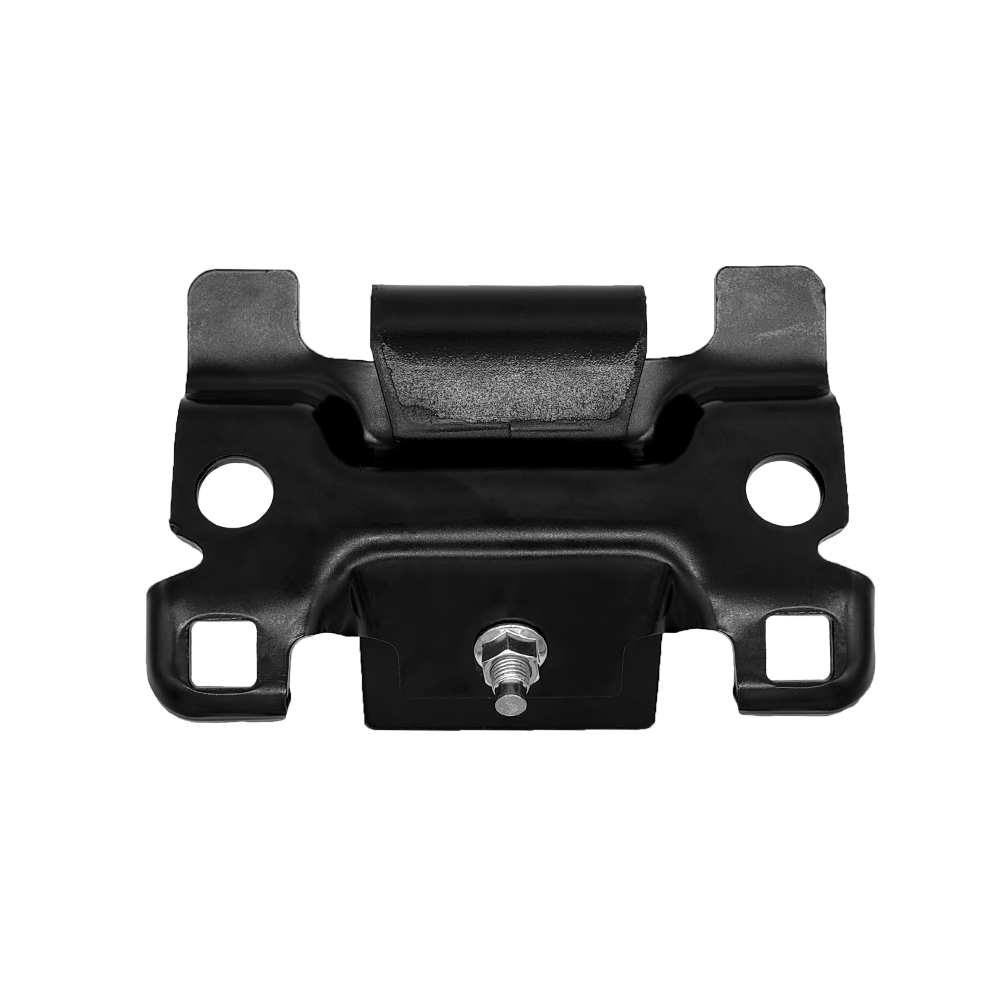
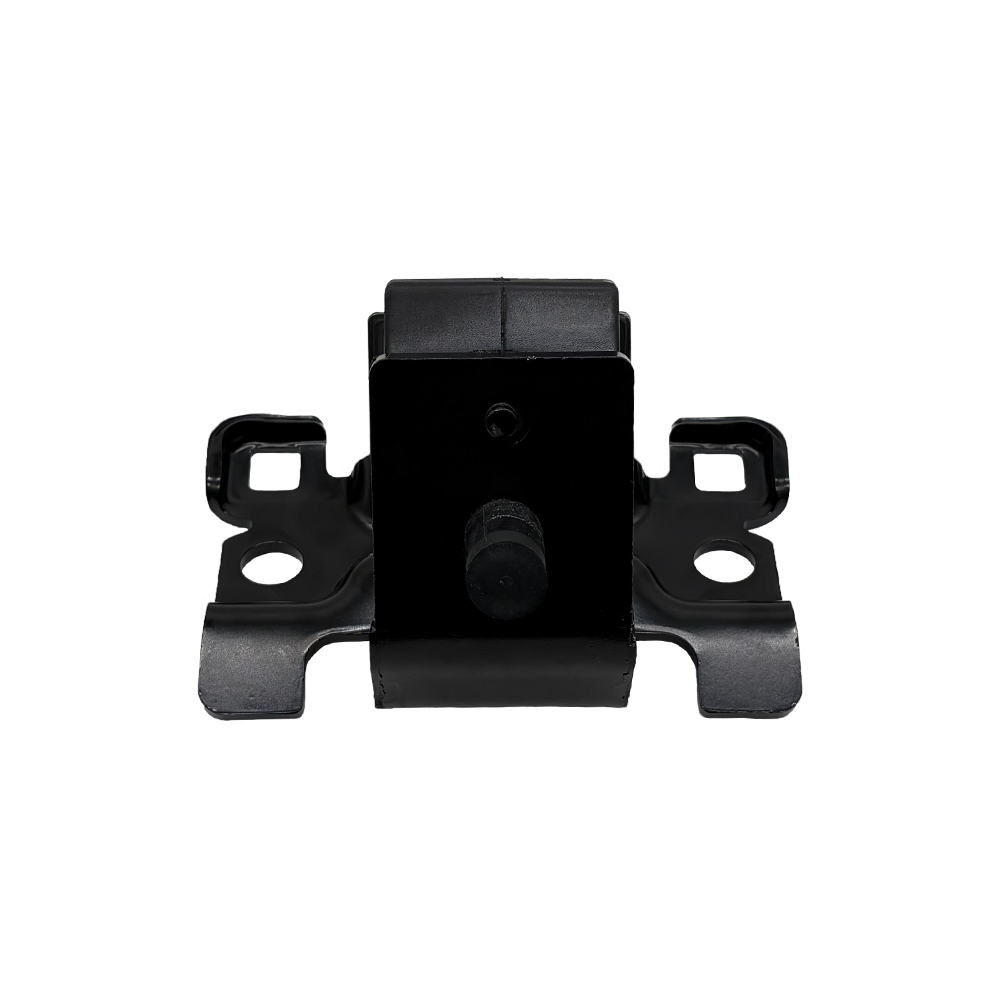
A clunking or banging sound—especially noticeable during gear changes or when pulling away from a stop—is one of the clearest indicators of mount failure. This sound occurs when the rubber cushion is too degraded to prevent the engine from making contact with surrounding metal structures.
Vibration that passes through the steering wheel, floor, or seat at idle or low speeds points to a loss of damping capacity. A healthy engine mount absorbs the majority of engine oscillation. When the rubber compound hardens, cracks, or separates entirely, that isolation disappears.
If the engine visibly rocks or shifts when you accelerate hard, the mount is no longer doing its job of holding the powertrain in place. This is a serious issue. Unchecked engine movement can pull on the exhaust, strain the CV axles, and stress the transmission.
The rubber element inside an engine mount—sometimes called a bushing—is the first part to degrade. Heat, oil contamination, road salt, and simple age all accelerate the breakdown of this compound.
Worn engine mount bushings lose their elasticity. A fresh bushing flexes and rebounds, constantly absorbing micro-vibrations. An old one becomes brittle, eventually cracking under stress. Once cracking begins, the rate of deterioration accelerates quickly—what starts as a minor vibration can become a serious structural issue within a few thousand miles.
Drivers in high-mileage vehicles, trucks used for towing, or cars driven in extreme climates tend to see bushing wear earlier than average.
A basic inspection can be done at home with minimal tools.
Visual check with the hood open. Look directly at the engine mounts with the engine off. Signs of cracking, oil soaking, or visible rubber separation are red flags.
The rocking test. With the engine running and the vehicle in park, have a second person gently rev the engine while you observe the engine block. Visible rocking or movement toward the firewall indicates a worn or broken mount.
Listen during gear engagement. Put the vehicle in drive and hold the brake while gently applying throttle. A healthy mount absorbs this torque silently. A thud or clunk as the engine torques forward suggests a failed mount.
These checks won't replace a professional inspection, but they can confirm whether further investigation is warranted.
The general service guideline is every 60,000 miles, though this varies by vehicle type, driving conditions, and the quality of the original components. Heavy-duty vehicles and performance cars often require earlier inspection.
Knowing how many engine mounting in a car your specific model uses also matters. Most standard passenger vehicles use three to four mounts—one on each side of the engine, one at the rear near the firewall, and sometimes one at the front. When one mount fails, the remaining mounts absorb the extra load, accelerating their own wear. For this reason, many mechanics recommend replacing mounts in pairs or as a full set.
Delaying replacement increases the risk of:
Damage to the transmission mount
Exhaust pipe cracking or disconnection
CV axle or driveshaft misalignment
Accelerated wear on engine accessories
A bad engine mount typically produces strong vibrations in the cabin, a clunking noise during acceleration or gear changes, and sometimes a noticeable shudder at idle. In advanced cases, you may feel the entire vehicle shake at low speeds.
Driving with a broken engine mount is not recommended. While the vehicle may still move, a broken mount allows the engine to shift under load, which can damage fuel lines, exhaust components, and transmission linkages. The longer you drive with a failed mount, the more expensive the secondary damage becomes.
Replacing a single engine mount typically takes one to three hours at a repair shop, depending on the vehicle model and the location of the mount. Some mounts require significant disassembly to access, which increases labor time.
Quality varies widely among aftermarket suppliers. Mounts built to OEM specifications using natural rubber compounds and high-grade steel perform comparably to original equipment. Lower-cost mounts made from synthetic rubber compounds tend to harden faster and offer less vibration damping over time. Choosing ISO-certified suppliers helps ensure consistent quality.
Yes. Engine mounts and transmission mounts work together to keep the powertrain aligned. A failed engine mount shifts the engine's position, which places undue stress on the transmission mount and can cause misalignment in the drivetrain. In severe cases, this misalignment affects gear engagement and causes premature transmission wear.
Engine mount failure follows a predictable pattern—subtle vibrations, occasional noises, then structural movement. Each stage is manageable if caught early. Ignored, the damage spreads to components that cost significantly more to repair.
Regular inspection every 60,000 miles is the simplest preventive measure available. If your vehicle is already showing any of the symptoms described above, have the mounts inspected as soon as possible. Catching the problem now is far less costly than dealing with the downstream damage later.
Condragon Parts manufactures ISO9001-certified engine mounts, strut mounts, and bushings built to OEM specifications. Browse the full product range at condragonparts.com.


