
Views: 0 Author: Site Editor Publish Time: 2026-06-03 Origin: Site
Quick answer:
An engine mount secures the vehicle's engine to the chassis, absorbing vibrations and preventing metal-to-metal contact. Made of steel and natural rubber, these essential chassis components improve ride comfort and protect other engine parts from damage. Drivers should inspect them every 60,000 miles to ensure optimal vehicle performance.
The internal combustion process generates massive amounts of energy, heat, and severe vibration. Without a proper stabilization system, a car would shake uncontrollably during acceleration and idle. This is exactly where a high-quality engine mount steps in to protect the vehicle. By bridging the gap between the heavy powertrain and the metal frame, this crucial part ensures a smooth and quiet ride for passengers.
Drivers often overlook chassis parts until a major problem occurs. Ignoring unusual noises or excessive shaking can lead to severe structural damage to the exhaust system or transmission system. Understanding how these parts function helps vehicle owners make better maintenance decisions and avoid expensive repair bills down the road.


Rubber degrades over time due to constant exposure to extreme heat, engine fluids, and daily mechanical stress. As the elastomeric material cracks or separates from the steel bracket, the entire structural integrity weakens. According to [Automotive Service Association, 2023], most rubber-based chassis components begin losing their shock-absorbing capabilities after five to seven years of regular driving.
When the rubber tears completely, the engine can actually shift under the hood during hard acceleration. This violent movement pulls on wiring harnesses, radiator hoses, and exhaust pipes. To prevent catastrophic failure, mechanics strongly advise scheduling a motor mount replacement at the first sign of excessive cabin vibration or loud clunking noises coming from the engine bay.
Routine maintenance prevents small issues from becoming major safety hazards. Visual inspections can reveal hairline cracks in the rubber or fluid leaking from hydraulic variants.
The following table outlines a standard inspection and maintenance schedule for vital chassis elements:
Component Category | Recommended Inspection Interval | Warning Signs of Failure | Average Lifespan |
Support Brackets | Every 30,000 miles | Visible rubber cracking, metal fatigue | 60,000 to 100,000 miles |
Suspension Elastomers | Every 15,000 miles | Squeaking over bumps, uneven tire wear | 50,000 to 80,000 miles |
Stabilizer Links | Every 20,000 miles | Clanking noise during sharp turns | 40,000 to 70,000 miles |
Dampening Cushions | Every 60,000 miles | Fluid leaks, sagging brackets | 70,000 to 90,000 miles |
The auto parts market is flooded with cheap, low-grade rubber components that wear out in a matter of months. Utilizing 100% natural rubber and 1:1 genuine design specifications ensures the part fits perfectly and lasts for years. Condragon Auto Parts Factory utilizes strict ISO9001 international standard certifications to guarantee that every single part meets or exceeds original equipment manufacturer standards.
Choose 1:1 genuine design motor mounts if long-term durability matters more than a slightly lower upfront cost. Cheaper synthetic rubber hardens quickly in cold weather and melts under high hood temperatures, transferring annoying vibrations directly into the steering wheel and passenger cabin.
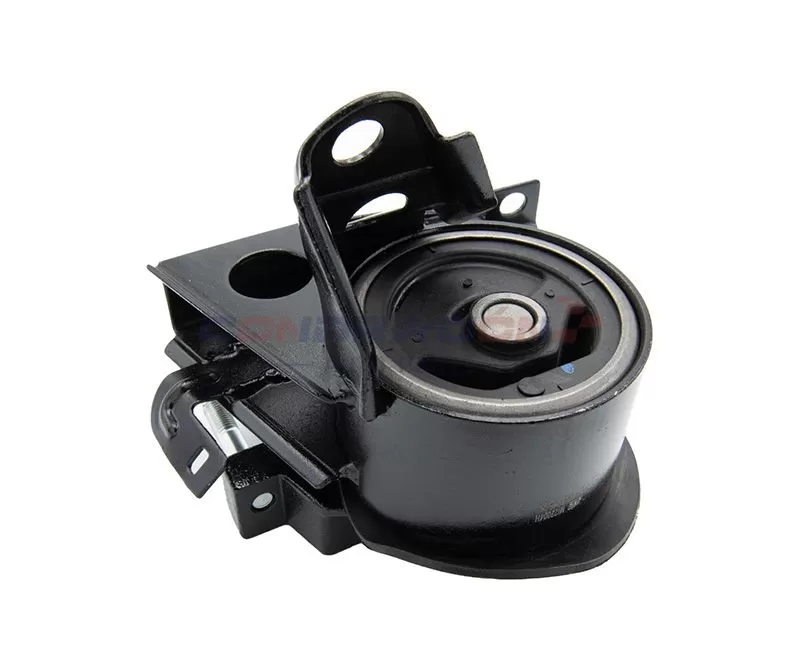

Taking proactive care of your vehicle's structural support system pays off in the long run. By paying attention to strange vibrations, adhering to a strict inspection schedule, and sourcing premium parts from trusted manufacturers like Condragon Auto Parts Factory, you can significantly extend the life of your car. Reliable chassis parts keep the powertrain securely locked in place, ensuring every drive is as smooth as the day the car rolled off the assembly line.
The price varies widely depending on the vehicle make and model. Generally, the physical parts range from $50 to $150 each, while labor costs can add another $200 to $500 to the total bill. Luxury and front-wheel-drive vehicles usually require more labor time due to cramped engine bays.
A professional mechanic can typically swap out a single support bracket in one to two hours. However, if the vehicle has multiple failing supports, the process might take up to four hours.
Driving with broken supports allows the engine to shift violently. This movement can snap fan blades, sever coolant hoses, and crack the exhaust manifold. In extreme cases, the shifting weight can alter the vehicle's handling dynamics, creating a severe safety risk on the highway.
Performance enthusiasts sometimes upgrade to polyurethane or solid steel supports. Choose polyurethane if you need stiffer engine support for high-horsepower applications and do not mind increased cabin vibration. Avoid solid steel supports for daily driving, as they transfer all mechanical harshness directly to the driver.
While highly experienced DIY mechanics can handle this task using specialized lifting equipment, most drivers should leave this job to certified professionals. Safely lifting the engine block without damaging the oil pan requires proper tools and training.


