
Views: 0 Author: Site Editor Publish Time: 2026-02-10 Origin: Site
Have you ever wondered what keeps your car’s suspension connected to its body while absorbing the shock of every bump in the road? The answer lies in a small but mighty component known as the strut mount. To understand your vehicle's suspension system fully, you must first answer the question: what is a strut mount?
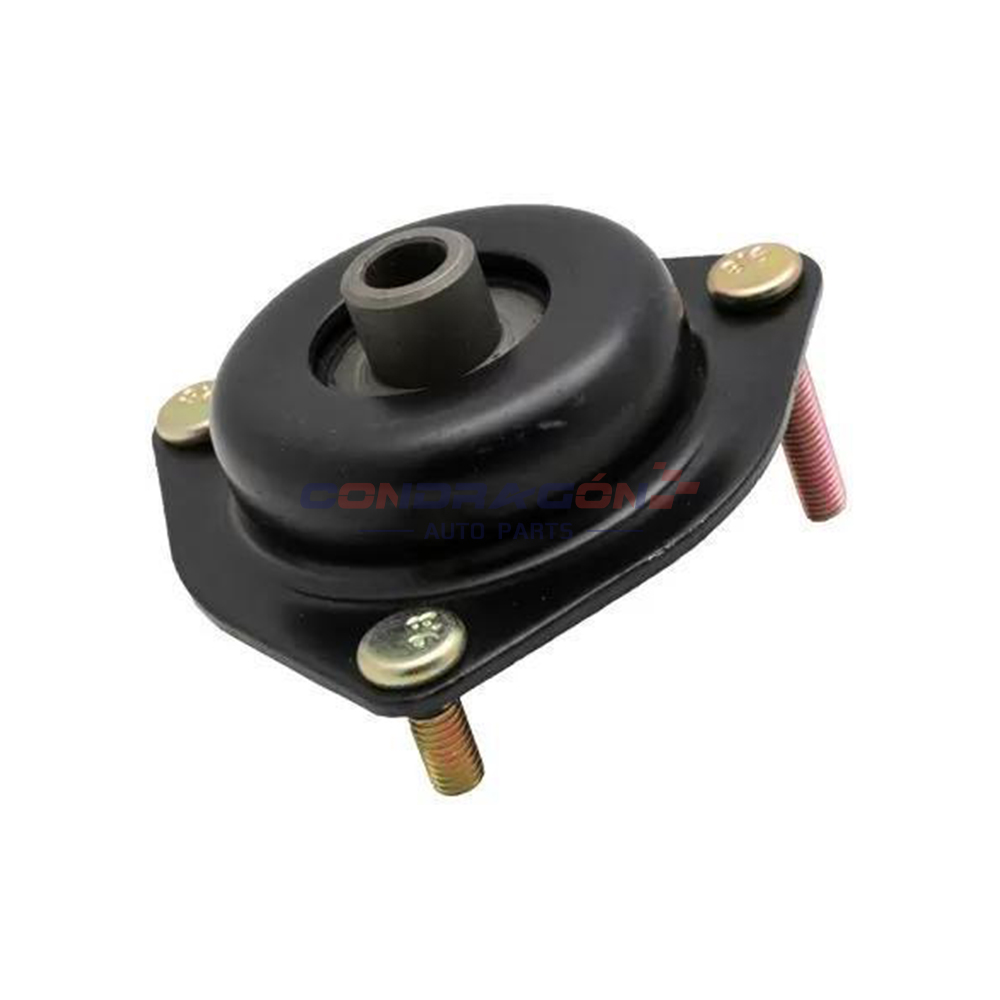
A strut mount is a suspension component that acts as the bridge between the vehicle's strut assembly and the vehicle's chassis. It serves as a mounting point for the top of the strut assembly to connect to the vehicle frame. While it might look like a simple rubber-and-metal sandwich, the strut mount plays a pivotal role in handling, comfort, and safety. It cushions the impacts from the road to reduce noise and vibration before they can reach the cabin. Without a functioning strut mount, your ride would be loud, jarring, and potentially unsafe.
Throughout this guide, we will explore the function of this part, signs of wear, and details on strut mount replacement to ensure your vehicle remains safe on the road.
To grasp the importance of a strut mount, you must look at how it interacts with other parts. The strut assembly combines the shock absorber and the coil spring into one unit. The strut mount sits at the very top of this assembly. On one side, it bolts to the strut itself. On the other side, it bolts directly to the vehicle's body.
Most strut mounts contain a rubber insulating material in the center. This rubber acts as a buffer. As you drive over potholes or uneven pavement, the strut absorbs the energy. However, some of that energy still travels upward. The rubber inside the strut mount absorbs this residual vibration, preventing it from rattling your teeth or making the steering wheel shake.
In many front-wheel-drive vehicles, the front strut mount also includes a bearing. This bearing allows the strut to pivot as the wheels turn left or right. If this bearing seizes or wears out, steering becomes stiff or noisy. Therefore, asking "what is a strut mount?" is really asking about a component that handles both suspension damping and steering articulation.
Like any car part made of rubber and metal, a strut mount will eventually wear out. Constant exposure to road salt, temperature fluctuations, and the sheer physical stress of supporting the car's weight takes a toll. Ignoring a worn strut mount can lead to more expensive repairs down the line.
When the rubber disintegrates or the bearing fails, the strut generally cannot do its job effectively. This places extra stress on other suspension components, potentially damaging the shock absorbers or altering the wheel alignment. A timely strut mount replacement ensures that your tires wear evenly and your vehicle handles predictably during emergency maneuvers.
Additionally, a bad strut mount can negatively affect braking distances. If the suspension cannot keep the tires firmly planted on the road because the mount is loose, your traction is compromised. Safety is the primary reason why mechanics often recommend changing the mounts whenever you replace the struts themselves.
While we are discussing suspension, it is crucial to distinguish between a standard suspension strut mount and a torque strut mount. A torque strut mount, often called a "dog bone" mount due to its shape, is technically an engine mount rather than a suspension mount. However, they are often confused.
So, when does a torque strut mount need attention? This component connects the engine to the chassis to restrict engine movement, specifically the twisting motion (torque) generated during acceleration. If you feel excessive vibration in the cabin when idling or hear a clunk when shifting from Park to Drive, your torque strut mount might be failing.
Although different from the suspension strut mount, the torque strut mount is equally vital for a smooth ride. If the engine rocks too violently, it can damage exhaust pipes, wiring harnesses, or even the axles. Therefore, keeping an eye on both your suspension strut mount and your torque strut mount is essential for total vehicle health.
Identifying a failing strut mount early can save you money. Here are the tell-tale signs that a strut mount replacement is in your future: Strange Noises: Clunking, squeaking, or popping sounds coming from the front wheels, especially when turning the steering wheel or going over bumps. Excessive Vibration: If the rubber isolation is gone, you will feel every texture of the road through the steering wheel or seat. Steering Issues: A seized bearing in the mount can make the steering feel heavy, stiff, or result in "memory steer" where the wheel doesn't return to center. Uneven Tire Wear: A loose mount affects alignment, causing tires to wear out prematurely on the inside or outside edges. Visual Damage: If you pop the hood and look at the strut towers, you might see cracked rubber or the strut pushing up through the center of the mount.
Symptom | Failing Suspension Strut Mount | Failing Torque Strut Mount |
|---|---|---|
Primary Noise | Clunking/Popping over bumps or when turning | Thud/Clunk when shifting gears or accelerating |
Vibration Source | Felt through steering wheel while driving | Felt through chassis/seat at idle or acceleration |
Steering Impact | Steering may be stiff, noisy, or wander | Usually no direct impact on steering feel |
Visual Signs | Cracked rubber in strut tower, off-center strut | Cracked rubber bushings on engine bracket |
Replacement Urgency | High (Safety/Handling risk) | High (Risk of engine component damage) |
The cost of a strut mount replacement varies depending on the vehicle make and model. Generally, the part itself is relatively inexpensive compared to the strut assembly. A single strut mount can cost anywhere from $30 to $100 depending on quality.
However, labor is the significant factor here. To replace a strut mount, a mechanic must remove the entire strut assembly from the vehicle and use a spring compressor to disassemble the unit. This is labor-intensive and dangerous if not done correctly.
Because the labor overlaps almost entirely with replacing the struts, it is standard industry practice to perform a strut mount replacement whenever you install new struts. Doing one without the other is often a waste of labor costs. If you are replacing a torque strut mount, the labor is usually much cheaper as it is easier to access and does not require disassembling the suspension.
DIY enthusiasts often ask if they can handle a strut mount replacement at home. The answer is yes, but with a major caution. As mentioned, the strut assembly is under immense pressure from the coil spring. To change the mount, you must compress that spring safely.
If you attempt this without the proper tools, the spring can release with lethal force. If you are not experienced with spring compressors, it is often safer to buy "loaded struts" (which come with the spring and strut mount already assembled) or leave the job to a professional.
Replacing a torque strut mount, on the other hand, is much more DIY-friendly. It usually involves supporting the engine slightly with a jack and removing a few bolts. Always consult your service manual before attempting either repair.
How long can you expect a strut mount to last? There is no hard expiration date, but most mechanics agree that they last roughly as long as the struts themselves—typically between 50,000 and 100,000 miles.
Rough Roads: Frequent driving on potholes or gravel. Climate: Extreme heat can dry out the rubber; salt can corrode the metal bearing. Driving Style: Aggressive cornering places high stress on the mount bearings. If you are approaching 80,000 miles and have never had a suspension inspection, it is time to ask your mechanic "what is a strut mount condition looking like on my car?"
When it comes to suspension parts, quality matters. Cheap aftermarket mounts often use inferior rubber that degrades quickly or bearings that are not sealed properly against moisture. Using a low-quality strut mount might mean doing the job again in less than a year.
A high-quality strut mount will use high-density rubber compounds designed to resist heat and oil. The bearings will be precision-engineered for smooth rotation. Investing in a quality strut mount ensures that your alignment stays true and your ride remains comfortable for years.
When you are shopping for a strut mount replacement or a torque strut mount, look for suppliers who specialize in rubber-to-metal bonding and precision manufacturing. This brings us to our recommendation for reliable suspension components.


Finding the right parts supplier is critical for vehicle longevity. If you need a reliable strut mount, a durable torque strut mount, or a complete strut mount replacement kit, you need a brand that understands automotive engineering.
For those seeking exceptional durability and performance, we highly recommend [condragon parts]. They specialize in manufacturing robust rubber and metal suspension parts that meet or exceed OEM specifications. Whether you need a standard strut mount or a specialized torque strut mount, their catalog offers precision-engineered solutions designed to withstand the toughest road conditions. Choosing [condragon parts] ensures that your suspension repair is a one-time investment in safety and comfort.
When a car turns, the front strut mount (specifically the bearing inside it) allows the entire strut assembly to pivot with the steering knuckle. This ensures smooth steering response and prevents the spring from binding.
Yes, a torque strut mount is a specific type of motor mount. Its primary job is to control the twisting force (torque) of the engine, whereas other motor mounts mainly support the engine's weight.
Technically yes, but it is not safe. A broken strut mount can affect handling, increase braking distance, and damage other suspension parts. Immediate strut mount replacement is recommended.
Yes. Since the strut mount is a structural part of the suspension geometry, replacing it will almost certainly change your wheel alignment. An alignment is necessary to prevent rapid tire wear.
If your engine moves excessively when you rev it in park, or if you feel a "thud" when the transmission shifts gears, you likely need a new torque strut mount.
Usually, no. Rear wheels on most vehicles do not steer, so the rear strut mount does not need a pivoting bearing. It simply acts as a cushion and mounting point.

Email: manager@condragonparts.com
Phone: +86 750 2859 838


