
Views: 0 Author: Site Editor Publish Time: 2026-02-24 Origin: Site
A strut mount is a critical suspension component located at the top of the suspension strut assembly. The strut mount connects the suspension strut to the vehicle chassis while absorbing vibrations generated during driving. Every strut mount for car applications is designed to isolate noise, reduce vibration, and maintain proper alignment between the suspension and the body frame.
When discussing struts and mounts replacement, it is important to understand that the strut mount supports the vehicle’s weight while allowing smooth steering rotation. A damaged strut mount can result in clunking noises, uneven tire wear, and compromised handling stability.
Because the strut mount for car suspension directly impacts steering precision, regular inspection is essential. Ignoring worn strut mount components often leads to premature failure of other suspension parts.

Timely struts and mounts replacement ensures optimal ride control and safety. A worn strut mount reduces shock absorption efficiency and increases stress on the suspension system.
Here are the main reasons struts and mounts replacement should never be delayed:
Prevent excessive vibration caused by worn strut mount
Maintain proper steering alignment with a stable strut mount for car
Protect suspension geometry during daily driving
Avoid additional repair costs related to failed strut mount
When a strut mount fails, drivers may notice:
Knocking sounds over bumps
Steering stiffness
Uneven tire wear
Poor braking stability
Routine struts and mounts replacement helps restore factory-level suspension performance. Every strut mount for car plays a role in maintaining overall driving comfort and safety.
Recognizing early signs of strut mount failure can prevent larger mechanical problems. A defective strut mount for car usually shows symptoms during low-speed turns or when driving over uneven surfaces.
| Symptom | Possible Cause | Impact on Vehicle |
|---|---|---|
| Clunking noise | Worn bearing in strut mount | Reduced ride comfort |
| Steering vibration | Damaged strut mount for car | Poor steering precision |
| Uneven tire wear | Misaligned suspension from faulty strut mount | Increased tire cost |
| Visible cracks | Aged rubber in strut mount | Safety risk |
If these symptoms appear, immediate struts and mounts replacement is recommended. Delaying repair increases pressure on the suspension assembly and may cause complete strut mount failure.
Inspect the strut mount for car visually for cracked rubber, corrosion, or excessive play. Proper diagnosis ensures efficient struts and mounts replacement without unnecessary component changes.
Changing a strut mount requires mechanical knowledge and proper tools. Because the strut assembly contains compressed springs, safety precautions are critical during struts and mounts replacement.
Tools Required for Strut Mount Replacement
Jack and jack stands
Socket wrench set
Torque wrench
Spring compressor
Protective gloves
Secure the vehicle on jack stands before removing the wheel. Access the suspension assembly where the strut mount for car is installed.
Detach brake line brackets and sway bar links. Loosen the bolts securing the strut assembly. Carefully remove the entire unit containing the strut mount.
Use a spring compressor to safely compress the coil spring. This step is critical during struts and mounts replacement to prevent injury.
Once the spring is compressed, remove the center nut holding the strut mount in place. Lift off the worn strut mount for car carefully.
Inspect surrounding components before proceeding with struts and mounts replacement.
Step 5: Install the New Strut Mount
Position the new strut mount correctly. Ensure alignment marks match the vehicle specifications. Proper installation guarantees long-term struts and mounts replacement reliability.
Release the spring compressor slowly. Reinstall the complete assembly back into the vehicle. Tighten bolts according to torque specifications to secure the strut mount for car firmly.
After completing struts and mounts replacement, perform a wheel alignment to maintain suspension geometry.
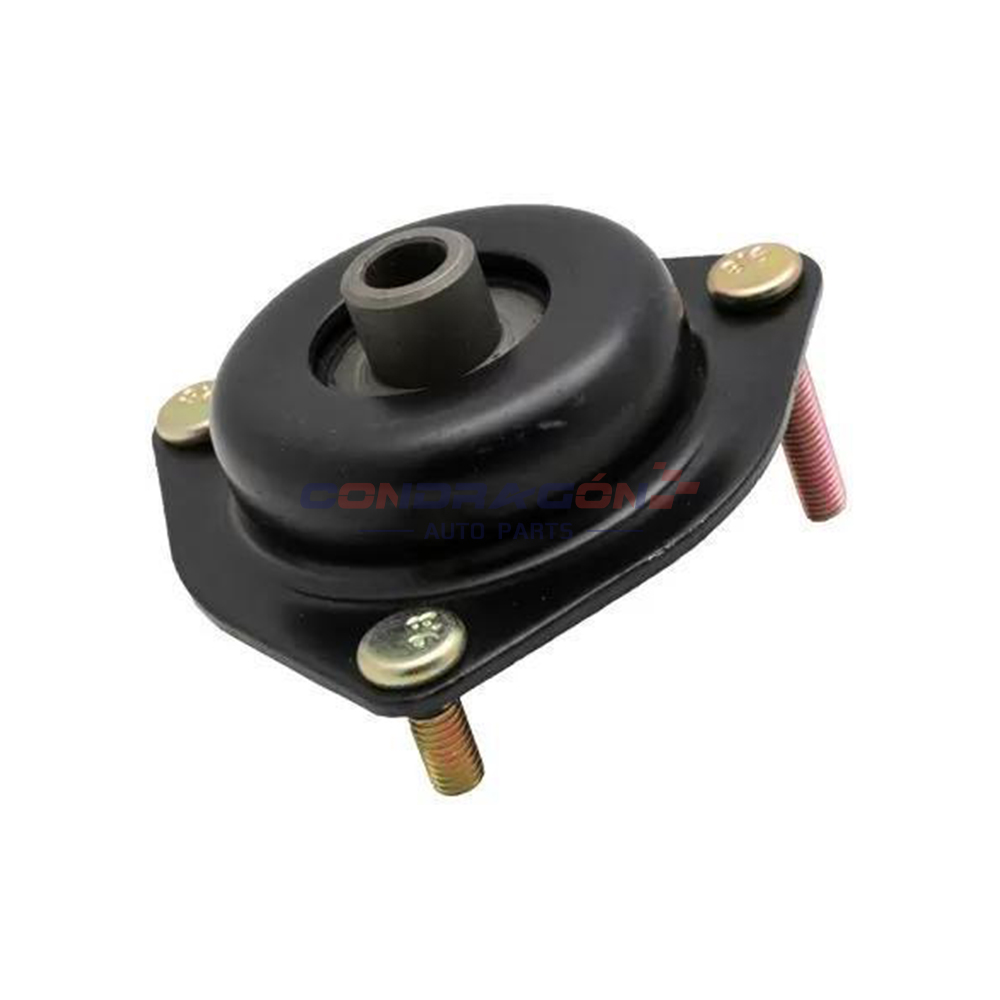
Experts recommend performing struts and mounts replacement simultaneously. Replacing only the strut mount while keeping old struts can reduce overall lifespan of the new component.
Balanced suspension performance
Reduced labor cost
Extended durability of new strut mount for car
Improved ride quality
A synchronized struts and mounts replacement ensures the strut mount functions optimally with the new suspension strut.
The cost of struts and mounts replacement varies depending on vehicle type and labor charges. A standard strut mount for car typically ranges from moderate to high pricing depending on material quality.
DIY replacement reduces expenses but requires professional tools. Workshop-based struts and mounts replacement adds labor fees but ensures expert installation of each strut mount.
Investing in high-quality strut mount for car components reduces long-term maintenance costs and improves driving stability.
Ignoring a worn strut mount compromises suspension integrity. Driving with a defective strut mount for car may lead to:
Steering instability
Reduced braking efficiency
Increased tire wear
Suspension misalignment
Timely struts and mounts replacement prevents these issues and ensures structural safety.
A failing strut mount places stress on suspension joints. Delayed struts and mounts replacement may cause costly repairs beyond the mount itself.
A typical strut mount for car lasts between 50,000 and 100,000 kilometers depending on driving conditions. Rough roads accelerate wear of the strut mount.
Frequent inspections help determine when struts and mounts replacement is necessary. Preventive maintenance ensures each strut mount performs reliably throughout its service life.
If a strut mount fails completely, steering may become unstable. Immediate struts and mounts replacement is necessary to restore safe handling. A failed strut mount for car can affect suspension geometry.
Yes, but experts recommend combined struts and mounts replacement for optimal performance. Installing a new strut mount on worn struts may shorten lifespan.
Replacing a strut mount for car requires mechanical experience due to spring compression risks. If unsure, professional struts and mounts replacement is advised.
Symptoms such as clunking sounds, steering vibration, and uneven tire wear indicate potential strut mount issues requiring struts and mounts replacement.
Inspect each strut mount during routine suspension service. Regular checks prevent unexpected failure and reduce struts and mounts replacement costs.
Proper maintenance of the strut mount ensures smooth suspension performance and safe driving conditions. Performing timely struts and mounts replacement protects your vehicle from further mechanical damage. Choosing a durable strut mount for car guarantees long-term reliability.
For high-quality suspension components and reliable struts and mounts replacement solutions, consider condragon parts for dependable performance.


Email: manager@condragonparts.com
Phone: +86 750 2859 838


