
Views: 0 Author: Site Editor Publish Time: 2024-11-26 Origin: Site
When it comes to vehicle suspension systems, the terms strut and strut mount play a critical role in ensuring the smooth handling and safety of a car. Whether you're an experienced mechanic or a car owner who likes to take on DIY projects, understanding what these components do and how to install or replace them is essential. In this article, we’ll dive into the basics of struts and mounts, provide a step-by-step guide on how to install and change strut mounts, and give you insights into the latest trends and best practices in suspension maintenance.
Struts are a key component of your vehicle’s suspension system, often serving as a combination of a shock absorber and a spring. They are responsible for controlling the vehicle's ride and handling by absorbing shock and impact from the road. Struts are typically mounted at the front of the car, although some rear-wheel drive vehicles also use struts in the back.
A strut mount (also referred to as a strut bearing) is the upper attachment point where the strut is secured to the vehicle. It is located between the strut and the vehicle's chassis. The strut mount performs several critical functions, including:
Mounting the Strut: It holds the strut in place and helps keep it attached to the vehicle.
Providing Cushioning: It absorbs vibrations and road impacts, contributing to a smoother ride.
Allowing Steering Movement: In front-wheel-drive cars, strut mounts also serve as the connection point for the steering mechanism, allowing the strut to rotate when you turn the wheel.
Protecting Other Suspension Components: The strut mount prevents excessive stress on other suspension components like the steering rack and control arms.
Given these roles, strut mounts are crucial for maintaining vehicle stability, comfort, and steering accuracy. Over time, however, strut mounts can wear out, causing issues like unusual noises, steering difficulties, or poor ride quality. This is when you’ll need to know how to install or change them.

Installing strut mounts isn’t a beginner-level job, but with the right tools and some basic mechanical skills, it is a doable task for most DIY enthusiasts. Here’s a general step-by-step guide to installing strut mounts:
Jack and jack stands
Lug wrench
Wrench set
Torque wrench
Strut spring compressor (if replacing the strut)
New strut mounts
Penetrating oil (optional, for stuck bolts)
Lift the Vehicle:
Begin by lifting the car using a jack and securely supporting it with jack stands. Remove the wheels to access the suspension components.
Remove the Strut:
If you’re replacing the strut mount without replacing the entire strut, you’ll need to remove the strut. Use a wrench to unbolt the strut from its attachment points. In some vehicles, you may need to compress the strut spring using a spring compressor before removing the strut.
Remove the Old Strut Mount:
The strut mount is typically secured by bolts. Use a wrench to remove the bolts that attach the strut mount to the chassis. You may need to use penetrating oil to loosen any rusted or stubborn bolts.
Install the New Strut Mount:
Position the new strut mount in place and secure it with the appropriate bolts. Tighten the bolts to the manufacturer’s recommended torque settings, using a torque wrench for accuracy.
Reinstall the Strut:
Place the strut back in position and secure it with the appropriate mounting bolts. Make sure everything is tightened to spec.
Test the Installation:
Once the strut and mount are reinstalled, carefully lower the vehicle and take it for a test drive to ensure proper function. Listen for any unusual noises and check that the ride feels smooth and responsive.
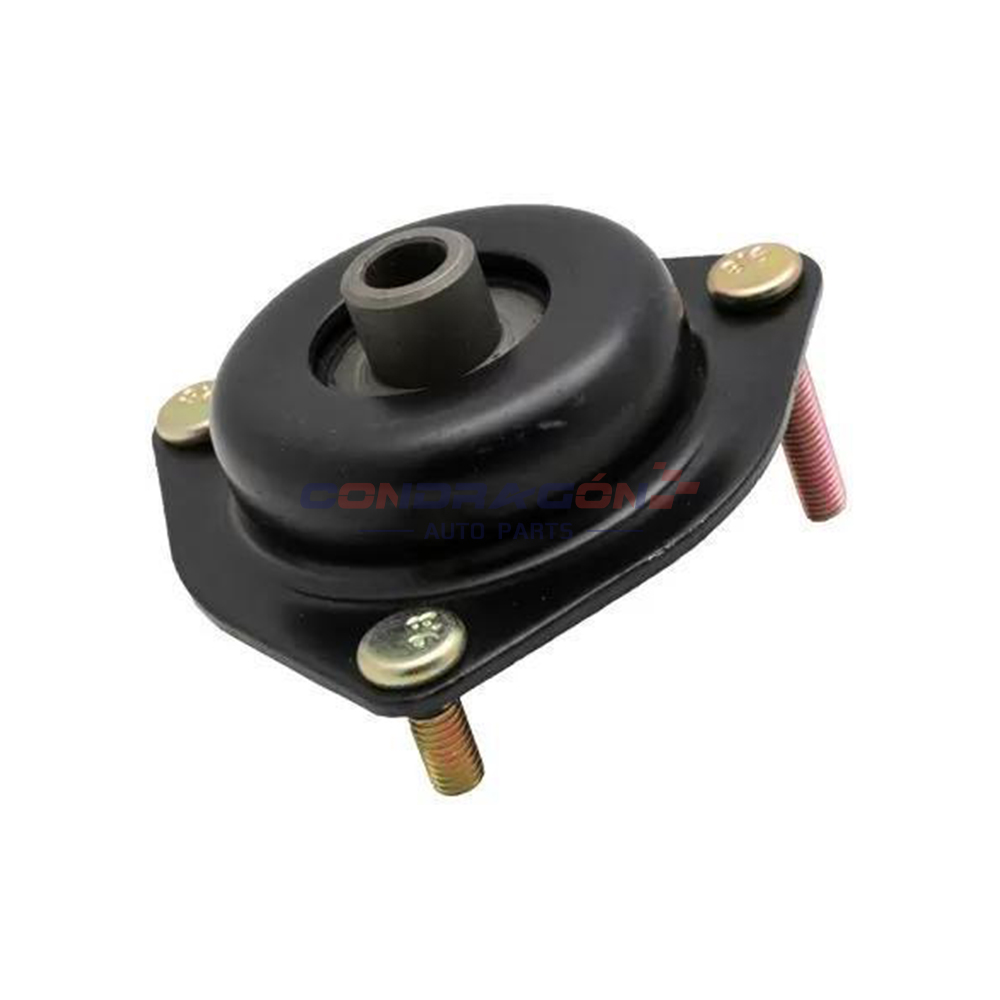
Changing a strut mount is a slightly more advanced repair than installing a new one, especially if you need to replace the strut as well. Here’s how you can go about replacing a strut mount:
Jack and jack stands
Lug wrench
Strut spring compressor
Wrench set
Torque wrench
Replacement strut mount and strut (if needed)
Lift the Vehicle:
As with installation, start by lifting the car and removing the wheels.
Remove the Strut Assembly:
To change the strut mount, the entire strut assembly needs to be removed. This involves unbolting the strut from its lower attachment points and the upper strut mount.
Compress the Spring:
Before you can remove the strut from the mount, you need to safely compress the strut spring using a spring compressor. This step is crucial to prevent injury, as the spring is under high tension.
Remove the Old Strut Mount:
Once the spring is compressed, use a wrench to remove the bolts securing the strut to the mount. Remove the strut from the mount and replace the old strut mount with the new one.
Reassemble the Strut:
Place the new mount onto the strut and reassemble the strut assembly. Make sure all bolts are tightened according to the manufacturer’s specifications.
Reinstall the Strut:
Reinstall the strut assembly onto the vehicle, making sure the mount is properly aligned with the chassis. Tighten all mounting bolts, both on the strut and the strut mount.
Test the Vehicle:
Lower the vehicle and take it for a test drive to ensure everything is functioning properly.

Both struts and strut mounts are essential for your vehicle's suspension and overall driving performance. By understanding their functions and how to install or replace them, you can maintain a smoother ride and avoid costly repairs down the road. Whether you need to replace a worn strut mount or upgrade to a more durable torque strut mount, choosing quality parts is key to ensuring safety and comfort.
If you need high-quality struts, strut mounts, or other suspension components, consider Condragon Parts. Their range of durable and reliable auto parts can help ensure that your vehicle is running at its best. For more information, you can contact them via email at manager@condragonparts.com or call +86 750 2859 838


