
Views: 0 Author: Site Editor Publish Time: 2026-06-22 Origin: Site
A rough idle, a clunking sound when shifting gears, or excessive vibration through the steering wheel—these are not just minor annoyances. They are often the first signs that your vehicle's engine mounts are failing. Engine mounts are critical components that secure the engine to the chassis while absorbing the constant vibrations produced by the combustion process. When they wear out, the consequences can range from an uncomfortable ride to serious damage to surrounding mechanical systems. Understanding how to replace engine mount components is an essential skill for any vehicle owner who wants to maintain a smooth, safe, and reliable driving experience. This comprehensive guide walks you through everything you need to know—from recognising the warning signs of failure to executing a successful replacement.
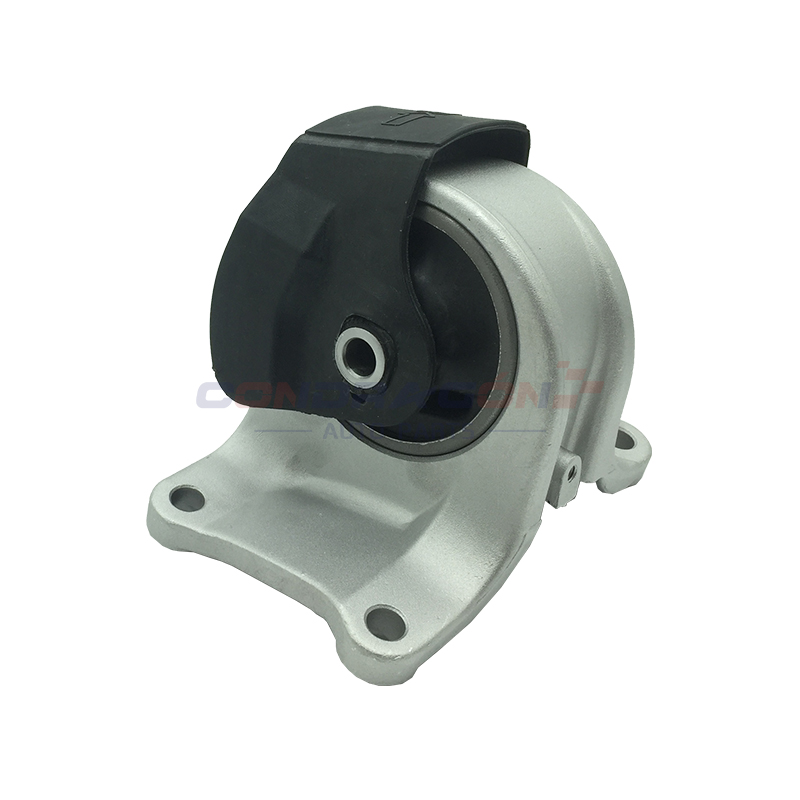

Before you learn how to replace engine mount parts, you must first be able to identify when a replacement is actually necessary. Engine mount failure typically occurs gradually, with symptoms that start subtle and worsen over time. The most common indicators include excessive cabin vibration, particularly when the vehicle is idling at a stop. Without the rubber dampener intact, the engine's natural shaking transfers directly into the steering wheel and passenger seats. Another major warning sign is impact noises coming from the engine bay—a loud clunking or banging sound during hard acceleration or sudden braking often means the metal brackets are making direct contact. Some drivers also notice visible engine movement during acceleration or a crooked engine position upon visual inspection. If you observe any of these symptoms, it is time to consider a replacement.
Proper preparation is the foundation of a successful engine mount replacement. Before you begin, gather all necessary tools and components. You will typically need a floor jack with a wooden block or a specialised engine support bar, a socket set, a torque wrench, and penetrating oil for rusted bolts. It is also highly advisable to consult your vehicle's service manual for specific torque specifications and bolt locations. When sourcing replacement parts, it is crucial to choose high‑quality components that match your vehicle's original specifications. For owners of Japanese vehicles, particularly those seeking nissan engine mounts, opting for 1:1 genuine designs ensures perfect fitment and restores the vehicle's original ride quality. Additionally, working in a well‑lit, level area with adequate space will make the process significantly safer and more efficient.
The first step in learning how to replace engine mount components is identifying their locations. Most standard vehicles use three to four mounting components that secure the engine block and transmission to the subframe. You will typically find one near the firewall at the rear, one near the front radiator, and two positioned on the sides of the engine block. Front‑wheel‑drive vehicles normally use a transverse layout, with a right‑side upper bracket near the timing belt cover, a left‑side bracket holding the transmission, and a lower rear bracket near the firewall. Rear‑wheel‑drive vehicles utilise a longitudinal layout, typically placing one heavy‑duty bracket on each side of the block and a third supporting the transmission tail shaft underneath the vehicle.
Once you have located the mounts, begin by safely supporting the engine. Place a floor jack with a wooden block under the engine's oil pan or use an engine support bar to take the weight off the mounts. Never place the jack directly on the oil pan without a protective block, as this can cause damage. Apply penetrating oil to the mount bolts and allow it to sit for several minutes to loosen any corrosion. Carefully remove the bolts securing the mount to the engine block and the chassis, taking note of their positions and orientations for reassembly. In some cases, you may need to remove other components—such as the air intake or heat shields—to access the bolts. Once all bolts are removed, carefully lift the engine slightly and slide the old mount out.
Installation is essentially the reverse of removal. Position the new mount in place and ensure it is oriented correctly—many mounts are designed to fit only one way. Hand‑tighten all bolts first to ensure proper alignment, then torque them to the manufacturer's specified settings using a torque wrench. Over‑tightening can damage the mount or the mounting points, while under‑tightening can allow movement and premature failure. Lower the engine slowly and check that the mount is seated properly before removing the support jack. Finally, start the engine and test for vibrations or unusual noises to confirm the replacement was successful. For those performing car engine mounts replacement on a regular basis, keeping a maintenance log of mileage and replacement dates can help predict future service intervals.
To help you make an informed decision when selecting replacement parts, the table below compares the most common types of engine mounts available on the market. Understanding these differences is essential when planning how to replace engine mount components with the right product for your specific vehicle.
| Mount Type | Material Composition | Vibration Dampening | Typical Application | Durability |
|---|---|---|---|---|
| Solid Rubber Mount | Steel housing + natural rubber | Moderate | Economy cars, older trucks | Good (5‑7 years) |
| Hydraulic Mount | Steel + fluid‑filled rubber chamber | High | Luxury and mid‑size vehicles | Moderate (4‑6 years) |
| Polyurethane Mount | Steel + polyurethane bushing | Low to Moderate | Performance and off‑road vehicles | Excellent (8‑10 years) |
| Electronic/Magnetic Mount | Steel + electronically controlled fluid | Very High | Premium luxury vehicles | Variable |
| Viscous Fluid Mount | Steel + silicone‑based fluid | High | High‑end sedans and SUVs | Moderate (5‑7 years) |


Selecting the correct replacement mounts is just as important as the installation itself. Not all mounts are created equal, and using substandard components can lead to premature failure and a recurrence of the same symptoms you are trying to eliminate. When shopping for replacement parts, look for manufacturers that use 100% natural rubber and 1:1 original module designs, as these provide the most effective vibration isolation. For owners of Nissan vehicles, sourcing nissan engine mounts from reputable suppliers ensures compatibility with the vehicle's original engineering specifications. It is also worth considering the vehicle's age, mileage, and typical driving conditions—vehicles used in harsh environments or for heavy‑duty applications may benefit from more durable polyurethane mounts, while daily commuters may prioritise the superior comfort of hydraulic mounts.
Even experienced DIY enthusiasts can make errors when attempting to replace engine mounts. One of the most frequent mistakes is failing to properly support the engine, which can lead to injury or damage to other components. Another common error is neglecting to replace all mounts at the same time. Since mounts wear at similar rates, replacing only one can leave the remaining mounts to fail shortly after, requiring another round of labour. Additionally, many people overlook the importance of torquing bolts to specification—both over‑torquing and under‑torquing can cause issues. Finally, always inspect surrounding components such as the exhaust system, fuel lines, and wiring harnesses during the replacement process, as a failing mount can cause these parts to shift and become damaged over time.
Once you have successfully completed the replacement, proper maintenance can extend the life of your new mounts. Regular visual inspections—every 60,000 miles or annually—can catch early signs of wear before they develop into major problems. Keep the engine bay clean to prevent oil and debris from accelerating rubber degradation, and address any oil leaks promptly, as petroleum products can cause rubber to swell and break down. If you notice any new vibrations or noises after the replacement, re‑check the torque on all bolts and ensure the mounts are seated correctly. With proper care, quality engine mounts can provide many years of reliable service.
Q1: How do I know when it is time to learn how to replace engine mount components?
The most common indicators include excessive cabin vibration at idle, clunking or banging noises from the engine bay during gear changes or acceleration, visible engine movement when revving the engine, and a crooked engine position upon visual inspection. If you experience any of these symptoms, it is time to inspect your mounts and consider replacement.
Q2: Can I replace just one engine mount, or should I replace all of them?
While it is technically possible to replace just one mount, it is generally recommended to replace all mounts at the same time. Engine mounts wear at similar rates, and replacing only one can leave the remaining mounts to fail shortly after, requiring another round of labour. Replacing all mounts also ensures balanced performance and consistent ride quality.
Q3: How long does an engine mount replacement typically take?
For an experienced DIY enthusiast, replacing all engine mounts usually takes between 2 to 4 hours, depending on the vehicle's layout and accessibility. Professional mechanics can often complete the job in 1.5 to 3 hours. Vehicles with transverse engines or limited access may require additional time.
Q4: Is it safe to drive with a broken engine mount?
Driving with a broken engine mount is not recommended. A failed mount allows the engine to shift during acceleration, braking, and cornering, which can damage fuel lines, exhaust systems, electrical connections, and even the transmission. In severe cases, engine movement can cause the engine to strike other components, leading to costly repairs.
Q5: What is the average cost of a car engine mounts replacement?
The cost varies widely depending on the vehicle make and model, the type of mounts used, and whether you perform the work yourself or hire a professional. Parts alone typically range from $50 to $300 per mount, while professional labour can add $200 to $600. Luxury and performance vehicles often command higher prices due to specialised mount designs.
Q6: Can I use aftermarket mounts instead of OEM parts?
Yes, high‑quality aftermarket mounts can be an excellent alternative to OEM parts, provided they are manufactured to 1:1 original specifications using premium materials such as 100% natural rubber. Reputable aftermarket suppliers often offer comparable or superior durability at a more affordable price point. Always verify compatibility with your specific vehicle model before purchasing.
Learning how to replace engine mount components is a valuable skill that can save you significant time and money while ensuring your vehicle remains safe and comfortable to drive. By understanding the warning signs of failure, preparing properly, and following a systematic replacement process, you can restore your vehicle's ride quality and prevent costly damage to surrounding mechanical systems. Whether you are sourcing nissan engine mounts for a Japanese vehicle or performing car engine mounts replacement on a domestic model, choosing high‑quality components and following proper installation procedures are the keys to long‑lasting results. Regular inspections and proactive maintenance will help you catch issues early, keeping your vehicle running smoothly for miles to come.


