
Views: 0 Author: Site Editor Publish Time: 2026-05-13 Origin: Site
Every time you turn your vehicle's ignition key, thousands of controlled explosions happen inside the engine block. These combustion cycles generate massive amounts of power, heat, and intense mechanical vibrations. Without a dedicated system to isolate this energy, the structural integrity of your vehicle would quickly deteriorate, and your daily commute would feel like sitting inside an industrial washing machine.
Automotive engineers spend countless hours designing specialized components to absorb these severe shocks. These hidden parts work silently behind the scenes, bridging the gap between a violently vibrating engine and the quiet passenger cabin you expect. They maintain the precise alignment of your drivetrain, ensure the suspension geometry remains accurate, and keep the wheels firmly planted on the pavement.
Despite their critical importance, many drivers overlook these foundational components until a major problem arises. Understanding how your vehicle manages vibration and chassis stress can save you from costly repairs down the road. By learning the early warning signs of mechanical wear, you can replace these parts before they cause catastrophic damage to other expensive systems under the hood.
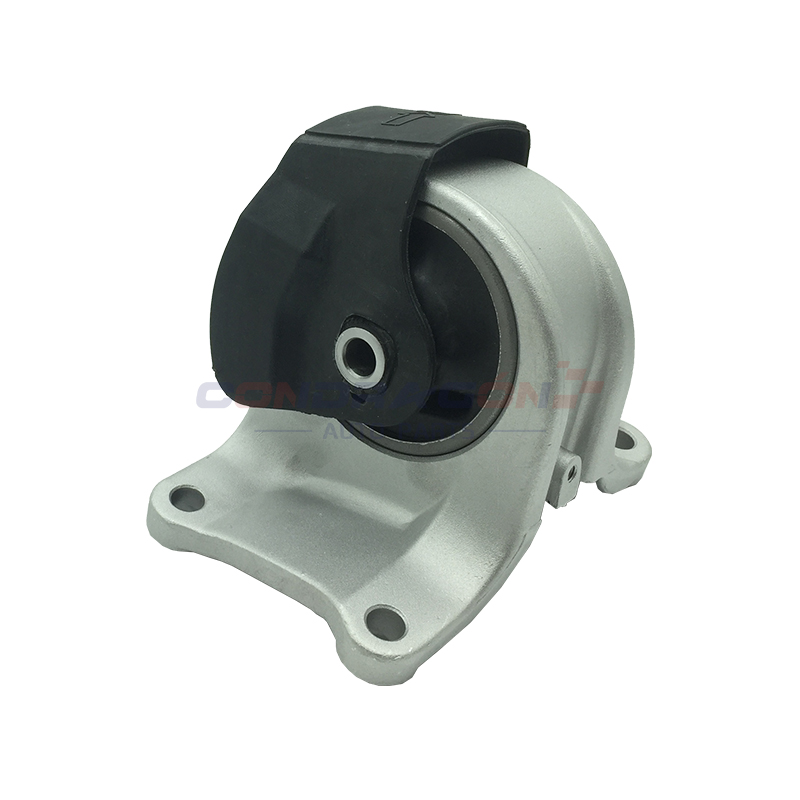

Your vehicle's engine is incredibly heavy and produces significant torque that wants to twist the motor out of the engine bay. To keep everything secure, automakers use specialized brackets that physically bolt the engine block to the vehicle's frame.
A standard engine mount is typically constructed from two heavy-duty steel brackets fused together with a thick block of durable rubber or polyurethane. The metal portions provide the structural strength necessary to hold the massive weight of the motor. Meanwhile, the dense rubber center acts as a highly effective cushion. This flexible barrier absorbs the harmonic vibrations from the firing pistons, stopping those harsh frequencies from transferring into the steering wheel and floorboards.
When this component begins to degrade due to age, heat exposure, or fluid leaks, the rubber element dries out and cracks. Once the rubber fails, you will immediately notice a severe increase in cabin vibration, especially when idling at a stoplight.
While the motor requires stabilization, your vehicle's suspension system handles a completely different set of violent forces. As your tires impact potholes, speed bumps, and uneven pavement, the kinetic energy travels upward through the shock absorbers.
To prevent these brutal upward impacts from punching through the chassis, vehicles utilize a strut mount at the top of the suspension assembly. This part acts as the primary pivot and mounting point connecting the suspension strut to the body of the car. Much like the components holding the motor, this mount features a heavy rubber insulator to dampen road noise and absorb impacts.
Furthermore, front-end mounts typically incorporate a specialized bearing. This bearing allows the entire strut assembly to rotate smoothly when you turn the steering wheel left or right. If you hear a loud clunking noise when driving over bumps or notice a grinding sound while turning at low speeds, this critical pivot point has likely reached the end of its lifespan.
Vibration and vertical impacts are only part of the equation. When you press firmly on the gas pedal, the engine generates rotational force that tries to twist the entire motor backward. Conversely, hard braking shifts the weight violently forward.
To counteract this severe twisting motion, modern vehicles employ a torque rod to keep the engine properly aligned. This specific linkage mounts near the top or bottom of the engine block and connects directly to the chassis or subframe. It restricts the engine's ability to rock back and forth during heavy acceleration or aggressive gear shifts.
By keeping the engine stationary, this rod protects the exhaust system, coolant hoses, and wiring harnesses from being stretched or snapped. A failing linkage will often present itself as a distinct thumping noise originating from the engine bay when you abruptly press or release the accelerator pedal.


Catching wear and tear early is the best way to prevent expensive secondary damage to your vehicle. Because all these isolation components rely on flexible rubber elements, they degrade at similar rates over time. Use the following diagnostic table to help identify which specific part of your vehicle might be failing.
Noticeable Symptom | Most Likely Failing Component | Recommended Action |
Severe vibration felt through the steering wheel while idling in gear | Engine isolation mounts | Inspect the rubber blocks for visible cracking, sagging, or hydraulic fluid leaks. Replace if collapsed. |
Clunking or popping noise from the wheel well when hitting small bumps | Upper suspension pivot mounts | Check the strut towers for loose hardware or degraded rubber. Replace the entire assembly if the bearing is stiff. |
Loud thud from the engine bay during hard acceleration or braking | Rotational stability rods | Visually check the bushings at both ends of the rod. If the rubber is torn, replace the complete rod unit. |
Steering feels loose or the vehicle drifts on the highway | Control arms or lower ball joints | Perform a professional alignment check and inspect all lower suspension pivot points for excessive play. |
When the time comes to replace these critical components, the quality of the replacement parts directly dictates how your vehicle will perform. Subpar aftermarket parts often use low-grade synthetic rubber blends that harden rapidly, transmitting annoying vibrations right back into the cabin.
Reputable manufacturers prioritize high-quality materials and precise engineering. For instance, top-tier automotive factories utilize 100% natural rubber in their production lines, ensuring the perfect balance of flexibility and long-term durability. These facilities develop their molds on a strict 1:1 ratio with the original genuine parts. This meticulous attention to detail guarantees that the new components bolt directly into the factory locations without requiring modifications.
Operating out of dedicated facilities covering tens of thousands of square meters, industry-leading manufacturers maintain strict ISO9001 certifications. This level of quality control ensures every batch of steel and rubber is rigorously tested for tensile strength and heat resistance before ever making it onto a vehicle.
Your vehicle relies on a complex network of brackets, rods, and rubber insulators to deliver a comfortable and safe driving experience. Ignoring the early warning signs of mechanical wear forces other components to work harder, accelerating the degradation of your entire suspension and drivetrain.
By familiarizing yourself with the specific sounds and physical sensations of failing isolation parts, you can address issues proactively. Regular visual inspections during routine oil changes can easily reveal cracked rubber or leaking hydraulic mounts. Take the time to have a certified mechanic evaluate your chassis components at the first sign of abnormal vibration. Investing in high-quality replacement parts will restore that brand-new, factory-smooth ride and keep your vehicle operating safely for years to come.


