
Views: 0 Author: Site Editor Publish Time: 2026-10-28 Origin: Site
If you drive a Nissan Altima and notice a sudden shudder at idle or hear a clunk when shifting gears, the problem is often hiding in plain sight: worn engine mounts. These rubber-and-steel components hold your engine in place, absorb vibration, and keep your ride smooth. Yet most drivers never think about them until something goes wrong.
This guide explains exactly how many Nissan engine mounts your Altima relies on, what each one does, and how to recognize early warning signs. You'll also learn what to look for when sourcing replacement parts, and why the manufacturer behind those parts matters more than most owners realize.
At Condragon (Kaiping Huilong Auto Parts Factory), we manufacture chassis parts that match original design specifications 1:1, using 100% natural rubber and tested steel brackets. That commitment to precision shapes everything we cover below.
Most Nissan Altima models rely on three engine mounts to secure the powertrain. Each one serves a distinct engine mount purpose, working together to stabilize the engine and transmission while absorbing the constant forces of acceleration, braking, and rough roads.
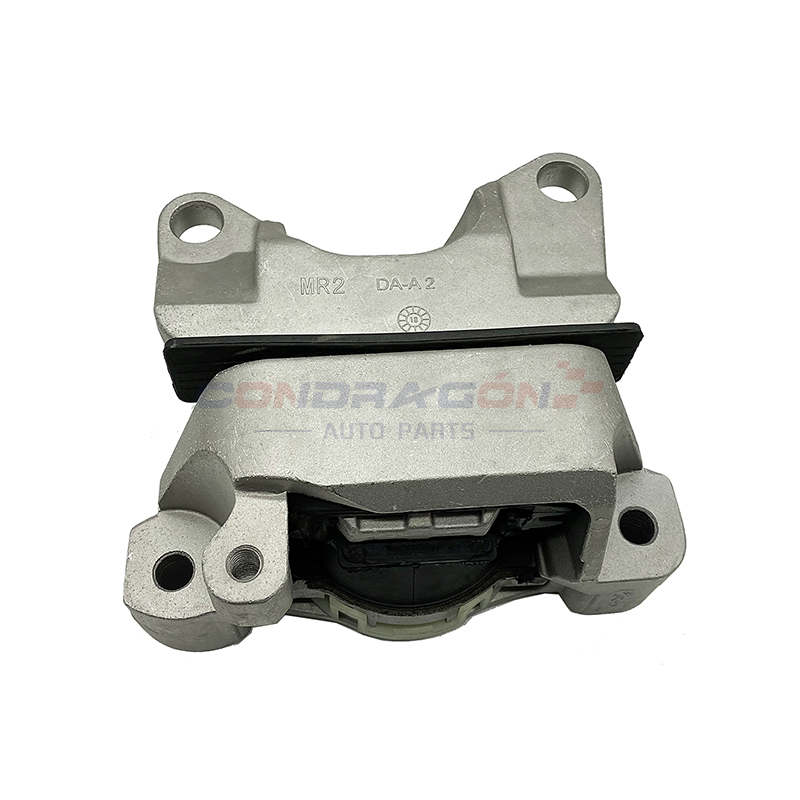
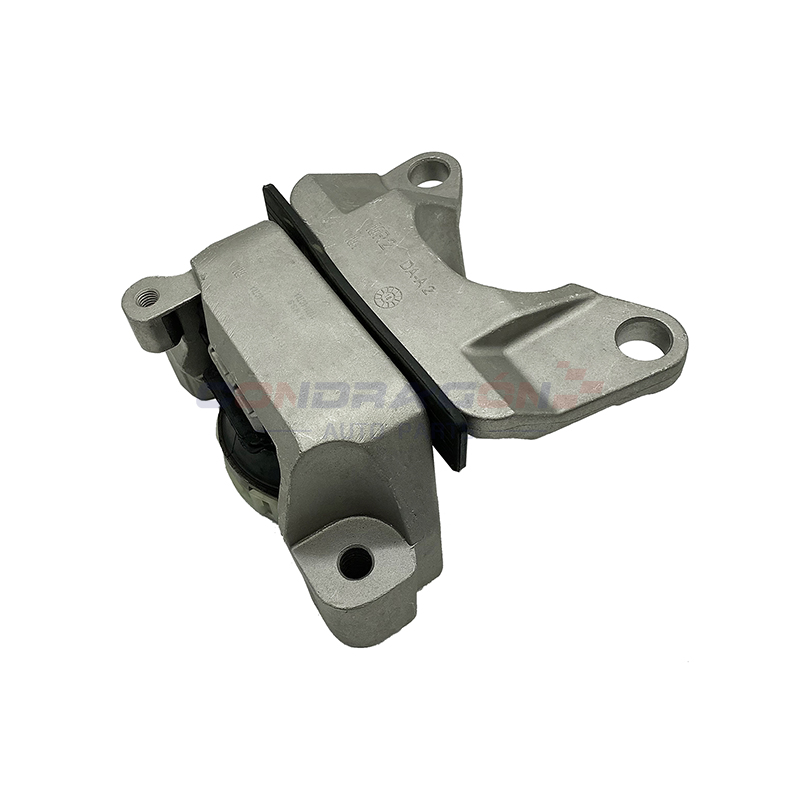
Here's how the three mounts break down:
Mount Position | Primary Function | Common Symptom When Worn |
|---|---|---|
Front mount | Controls forward engine movement | Clunk during acceleration |
Rear mount | Limits backward engine shift | Vibration when shifting gears |
Transmission (side) mount | Supports the transmission and dampens torque | Shaking at idle or a knocking sound |
Exact placement and design vary slightly by model year and engine size, but the three-mount setup remains the standard across most Altima generations. When one mount fails, the remaining two absorb the extra load, which accelerates wear across the whole system. That's why a single worn mount rarely stays an isolated problem for long.
Think of engine mounts as the buffer between a heavy, vibrating engine and the rigid metal frame of your car. Without them, every rumble from the motor would travel straight into the cabin.
The rubber core absorbs energy and reduces noise. The steel bracket holds firm under stress. When the rubber cracks or the metal fatigues, that balance breaks down, and you feel it through the steering wheel, the floor, and the seat.
This is where part quality separates a lasting repair from a repeat trip to the shop. Condragon engineers its engine mounts to solve the vibration problem at the source, using natural rubber rated for durability rather than cheaper synthetic blends that harden and crack prematurely.
Several factors shorten the lifespan of your Altima's engine mounts:
Age and heat cycles gradually break down the rubber compound.
Oil contamination softens and degrades the rubber material.
Aggressive driving stresses the mounts with repeated torque loads.
Poor-quality replacements fail far sooner than OEM-spec parts.
Nissan owners searching for reliable Nissan engine mounts often discover that a genuine-design replacement outlasts bargain alternatives by years. Condragon backs its parts with a 60,000 km warranty, reflecting confidence in the materials and testing behind every unit.
Watch for these telltale signs:
Excessive vibration at idle or low speeds
Clunking or banging when accelerating or shifting gears
Visible cracks in the rubber or a collapsed mount
Engine movement that feels excessive when you rev it
Catching a worn mount early prevents a chain reaction. A failing mount lets the engine shift more than it should, which can strain hoses, belts, and neighboring mounts. That turns a small, affordable fix into a far costlier repair down the road.
Not all replacement parts are equal. When shopping for new engine mounts, prioritize:
Genuine 1:1 design that matches original fitment
Natural rubber for proven vibration control
Quality steel brackets tested for strength
A real warranty that signals manufacturer confidence
Condragon (Kaiping Huilong Auto Parts Factory) has manufactured chassis parts since 2013 from its 10,000-square-meter facility in Kaiping, a rubber-production hub in Guangdong, China. As an ISO9001-certified manufacturer, the company develops each part to original specifications and puts its rubber through stability testing before it ships.
For drivers wondering how many engine mounts a Nissan Altima has and where to source dependable replacements, working with a specialist manufacturer removes the guesswork from the decision.
Your Nissan Altima depends on three engine mounts to stay stable, quiet, and comfortable. Once you understand how they work and what warning signs to watch for, you're in a far better position to act before a minor issue becomes a major repair.
If you notice vibration, clunking, or visible damage, don't wait. Inspect your mounts, choose replacements built to original specifications, and restore the smooth ride you expect. To explore quality-tested options and request a quote, reach out to the Condragon team and get parts designed to last.
How many engine mounts does a Nissan Altima have?
Most Nissan Altima models use three: a front mount, a rear mount, and a transmission-side mount. Together they secure the engine and transmission while absorbing vibration.
How long do engine mounts typically last?
With quality parts and normal driving, engine mounts often last well over 100,000 miles. Heat, oil leaks, and aggressive driving can shorten that lifespan significantly.
Can I drive with a worn engine mount?
You can drive short-term, but a failing mount lets the engine move too much. That extra movement stresses surrounding components and can lead to bigger, more expensive repairs.
What makes a good replacement engine mount?
Look for a genuine 1:1 design, natural rubber construction, tested steel brackets, and a warranty. These features signal a part built to perform like the original.


