
Views: 0 Author: Site Editor Publish Time: 2024-07-30 Origin: Site
When it comes to vehicle suspension systems, struts and strut mounts play crucial roles in ensuring a smooth and stable ride. This article will delve into what struts and strut mounts are, how to change a strut mount, and whether struts and strut mounts are the same. We'll also provide insights into their importance and how to maintain them for optimal vehicle performance.
A strut is a vital component of a vehicle's suspension system, designed to support the vehicle's weight, absorb shocks, and ensure a smooth ride. Unlike traditional shock absorbers, struts serve multiple functions:
Structural Support: Struts are integral to the vehicle's suspension system, providing structural support for the wheel assembly. They help maintain proper alignment and ensure that the wheels remain in contact with the road.
Shock Absorption: Struts are equipped with shock absorbers that help absorb and dampen the impact of road irregularities. This absorption reduces vibrations and enhances ride comfort.
Handling and Stability: By controlling the movement of the suspension, struts contribute to the vehicle's handling and stability. They help manage the forces exerted during cornering, braking, and acceleration.
Struts are typically composed of a coil spring and a shock absorber. The coil spring supports the vehicle's weight, while the shock absorber controls the spring's movement to prevent excessive bouncing and swaying.
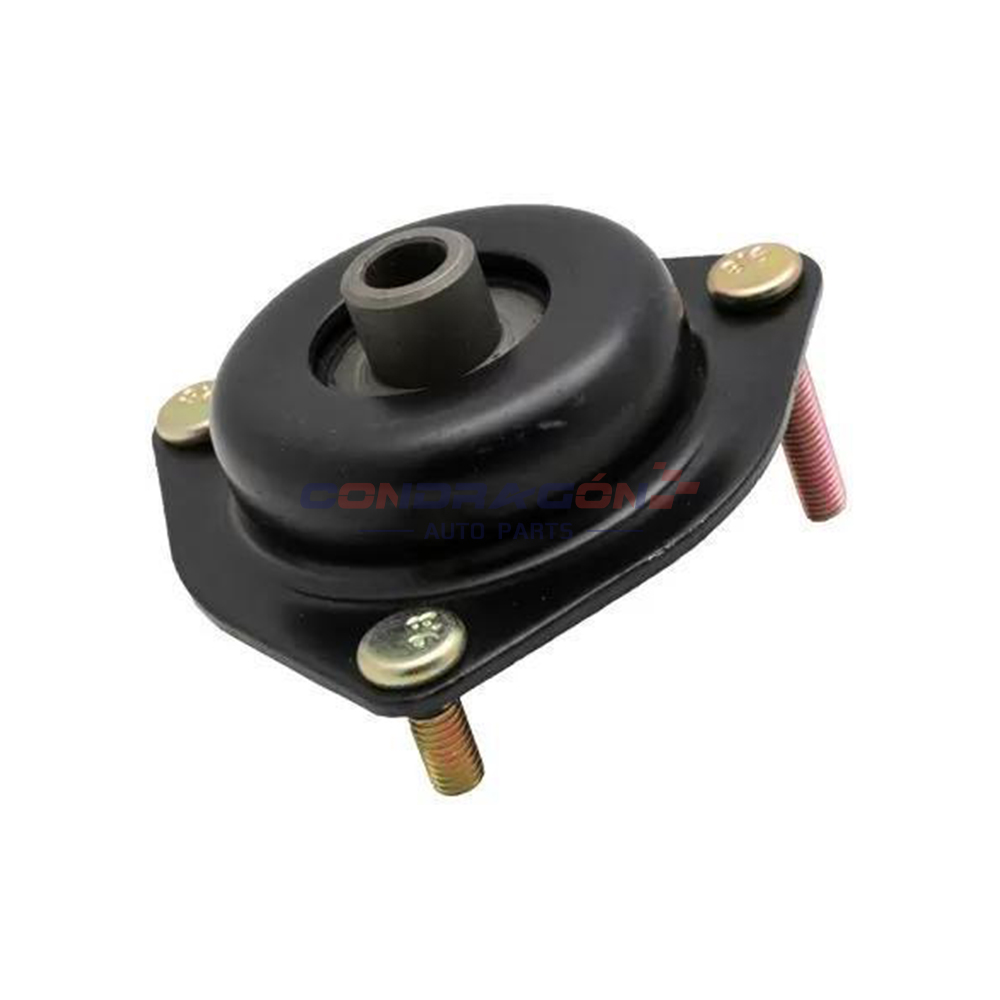
Strut mounts, also known as strut bearings or strut top mounts, are components that connect the strut assembly to the vehicle's body or chassis. They serve several important functions:
Mounting Point: Strut mounts provide a secure attachment point for the strut assembly. They ensure that the strut is firmly connected to the vehicle's chassis, allowing it to function effectively.
Vibration Isolation: Strut mounts are designed to absorb and isolate vibrations and noise from the road. They help reduce the transmission of vibrations from the suspension system to the vehicle's interior, enhancing ride comfort.
Alignment and Steering: Strut mounts play a role in maintaining proper alignment and steering. They allow for precise adjustment of the strut angle, ensuring accurate handling and steering response.
A typical strut mount includes a bearing that allows the strut to rotate smoothly as the wheels turn. This rotation is essential for proper steering and suspension movement.
When discussing vehicle suspension systems, it's important to understand the roles of the strut and strut mount. The strut and strut mount work together to ensure a smooth ride and proper handling. The strut, which includes both the shock absorber and coil spring, provides crucial support and shock absorption. The strut mount, on the other hand, connects the strut to the vehicle’s chassis and helps to isolate vibrations.
Over time, both the strut and strut mount can wear out, impacting vehicle performance. Replacing a worn strut and strut mount is essential for maintaining the vehicle’s handling and comfort. If you notice issues such as unusual noises or poor ride quality, it might be time to inspect the strut and strut mount. Ensuring that both the strut and strut mount are in good condition is key to preserving the integrity of your vehicle’s suspension system.

Replacing a strut mount is a task that requires some mechanical knowledge and tools. Here is a step-by-step guide to help you through the process:
Tools and Materials Needed:
● New strut mounts
● Car jack and jack stands
● Socket set and wrenches
● Spring compressor (if necessary)
● Screwdrivers
● Lubricant or penetrating oil
Park the vehicle on a level surface and engage the parking brake.
Use a car jack to lift the vehicle and secure it with jack stands. Ensure the vehicle is stable before proceeding.
Use a lug wrench to remove the lug nuts and take off the wheel. This will provide access to the strut assembly.
Locate the strut assembly and identify the bolts and nuts securing it to the vehicle’s suspension components.
Remove any components that may obstruct access to the strut assembly, such as brake lines or sway bar links.
Access the strut mount bolts from the engine bay or under the vehicle, depending on the vehicle's design.
Remove the bolts securing the strut mount to the strut assembly.
If necessary, compress the coil spring using a spring compressor. This step is essential for vehicles with coil-over struts.
Remove the old strut mount from the strut assembly and replace it with the new one.
Reattach the strut mount bolts, ensuring they are tightened to the manufacturer's specifications.
Reinstall the strut assembly into the suspension system.
Reattach any components that were removed, such as brake lines or sway bar links.
Ensure all bolts and nuts are tightened securely.
Place the wheel back onto the hub and hand-tighten the lug nuts.
Lower the vehicle from the jack stands and tighten the lug nuts to the manufacturer's specifications.
The vehicle by driving at low speeds and checking for any unusual noises or handling issues. Ensure the strut mount replacement has resolved any previous problems.
Struts and strut mounts are often confused because they are both components of the suspension system and work together to ensure proper vehicle handling. However, they serve different purposes and are not the same:
Struts: As mentioned earlier, struts are essential suspension components that provide structural support, shock absorption, and handling stability. They are a more complex component that includes both a shock absorber and a coil spring.
Strut Mounts: Strut mounts, on the other hand, are simpler components that connect the struts to the vehicle's chassis. They provide mounting points, isolate vibrations, and help with alignment and steering. Strut mounts do not include shock absorbers or coil springs.
In summary, struts and strut mounts work together to provide a smooth and stable ride. Struts handle the primary functions of shock absorption and support, while strut mounts ensure proper attachment and isolation.
Front strut mounts are a crucial component of your vehicle’s suspension system, serving as the connection between the struts and the vehicle’s chassis. Properly functioning front strut mounts ensure that the front struts are securely attached, which is vital for maintaining vehicle stability and handling. Over time, front strut mounts can wear out or become damaged, leading to issues such as increased noise, poor ride quality, and steering problems.
Replacing worn or damaged front strut mounts is essential for ensuring the continued performance of your vehicle. Regular inspections of the front strut mounts can help identify potential issues before they affect your vehicle's handling. If you notice any signs of wear or abnormal noises, addressing these issues promptly by replacing the front strut mounts can help maintain your vehicle's safety and comfort. Ensuring that the front strut mounts are in good condition is key to keeping your suspension system functioning smoothly.

Understanding the roles of struts and strut mounts is crucial for maintaining vehicle performance and safety. While struts handle the core functions of shock absorption and support, strut mounts provide important mounting and isolation functions. Knowing how to replace strut mounts and recognizing the differences between struts and strut mounts can help you keep your vehicle in optimal condition.
If you need high-quality strut mounts, consider reaching out to Condragon Parts. They offer a wide range of parts to meet your needs. For inquiries, contact them at manager@condragonparts.com


