
Views: 0 Author: Site Editor Publish Time: 2026-01-22 Origin: Site
Have you ever noticed a strange clunking noise when driving over bumps or felt your steering wheel vibrate unexpectedly? These issues often point to a small but critical component in your suspension system. While most drivers know about shocks or struts, fewer people understand the vital role of the strut mount. This rubber and metal component connects the suspension strut to the vehicle's chassis, acting as an insulator against road noise and vibration. Without a functioning strut mount, your ride would be harsh, noisy, and potentially unsafe.
This article dives deep into the question: "What are strut mounts?" We will explore how they function, why struts and mounts replacement is eventually necessary, and the specific role of the engine torque strut mount. Whether you are a DIY enthusiast or just trying to understand a mechanic's quote, this guide answers your most pressing questions.
A strut mount is essentially a sandwich of durable rubber bonded to metal. It serves as the mounting point for the top of your vehicle's strut assembly. The strut itself connects to the wheel at the bottom, but the top needs a secure anchor point on the vehicle's body. That anchor point is the strut mount.
The primary job of a strut mount is twofold. First, it insulates the vehicle cabin from the noise, tire vibration, and harshness generated by the road. The rubber material within the strut mount absorbs these impacts so you don't feel every pebble or pothole. Second, many front strut mounts contain a bearing that allows the strut to pivot as the wheels turn. This bearing is crucial for smooth steering response. If the strut mount bearing seizes or wears out, you might hear a groaning noise when turning the steering wheel or notice that the steering feels stiff.

Identifying a bad strut mount can be tricky because the symptoms often mimic other suspension problems. However, specific signs point directly to this component. Have you heard a loud clunk or rattle when driving over bumps? This is the most common symptom of a worn strut mount. As the rubber insulation degrades, the metal components can strike each other, causing noise.
Another sign involves steering issues. If the bearing inside the strut mount fails, you might feel a "memory steer" where the car doesn't want to return to center after a turn. Additionally, visually inspecting the strut mount under the hood can reveal cracks in the rubber or excessive corrosion. If you see the rubber separating from the metal, it is time to consider struts and mounts replacement. Ignoring these signs can lead to accelerated wear on other suspension parts and even uneven tire wear.
While a standard strut mount deals with suspension, an engine torque strut mount serves a different purpose. Many modern vehicles, particularly those with front-wheel drive, use an engine torque strut mount to control engine movement. When you accelerate, the engine naturally wants to twist or rock backward due to torque. The engine torque strut mount limits this twisting motion.
This specific type of strut mount connects the engine to the vehicle's subframe or chassis. Like a suspension strut mount, it uses rubber bushings to absorb vibration. If an engine torque strut mount fails, you will likely feel excessive vibration in the cabin, especially at idle. You might also hear a thud when shifting from park to drive or during hard acceleration. Understanding the difference between a suspension strut mount and an engine torque strut mount is vital for accurate troubleshooting.
Mechanics often recommend performing struts and mounts replacement simultaneously. Why is this the standard practice? The labor required to remove the strut assembly to replace just the strut is virtually the same as replacing the assembly to change the strut mount. Since both components endure the same mileage and road conditions, reusing an old strut mount on a new strut is risky. The old rubber has likely hardened or cracked, meaning it will fail soon anyway, forcing you to pay for the same labor twice.
A general rule of thumb suggests inspecting your suspension system every 50,000 miles. However, struts and mounts replacement might be necessary sooner if you drive on rough roads frequently. If you are already paying for labor to replace worn struts, adding a new strut mount is a cost-effective way to restore factory-like handling and ride comfort. Do not skip the strut mount when overhauling your suspension; it is the foundation of the entire assembly.
A compromised strut mount does more than just annoy you with noise; it affects how your vehicle handles emergencies. The strut mount helps maintain tire contact with the road. When the mount is worn, the strut cannot effectively dampen wheel movement, leading to "wheel hop" or reduced traction during braking and cornering.
Furthermore, a seized bearing in a front strut mount can make steering unpredictable. In an emergency maneuver, this resistance could delay your reaction time. The engine torque strut mount also plays a safety role by preventing the engine from rocking violently, which could damage drive axles or exhaust components. Prioritizing struts and mounts replacement ensures that your vehicle remains predictable and safe for you and your passengers.
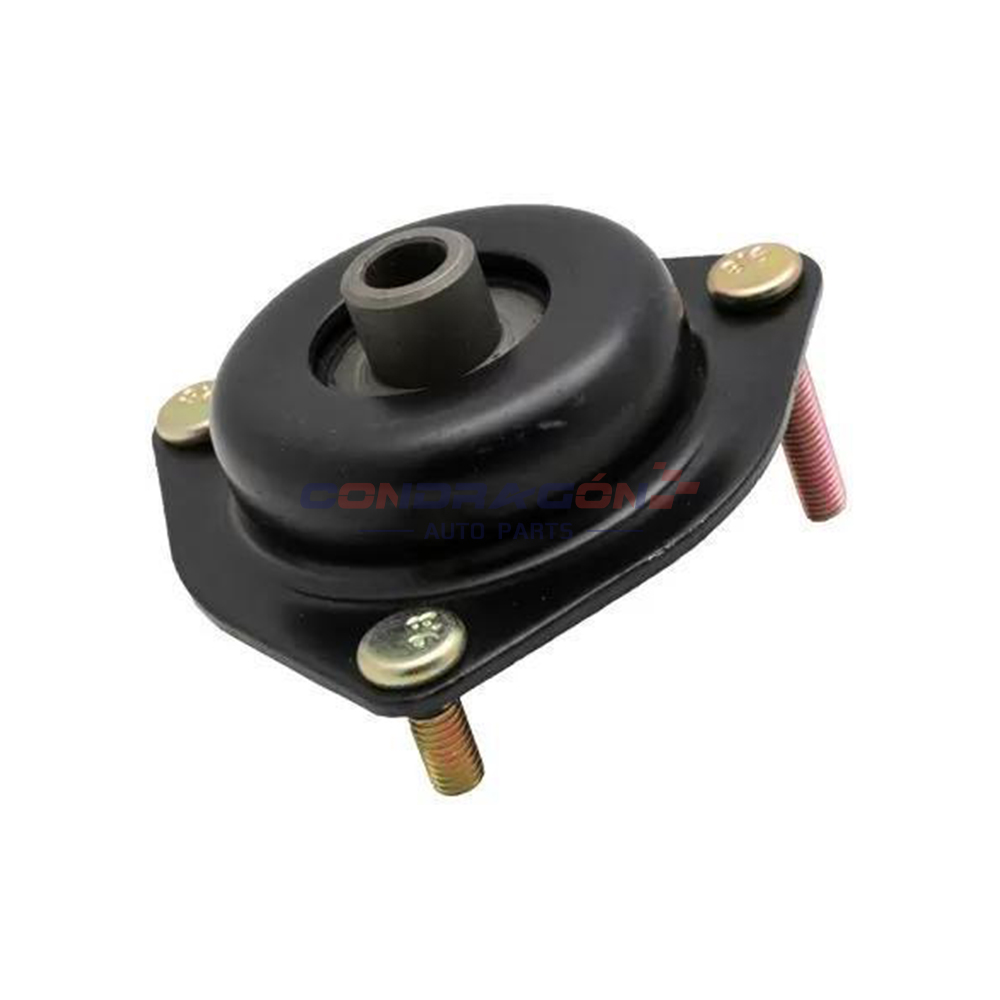
The cost of a strut mount varies depending on the vehicle make and model. Generally, the part itself is relatively affordable, but labor costs can be significant due to the complexity of compressing the suspension springs. This is why bundling struts and mounts replacement is financially wise.
Below is a breakdown of typical costs and labor times associated with these components:
Component | Estimated Part Cost | Estimated Labor Time | Replacement Complexity |
|---|---|---|---|
Front Strut Mount | $40 - $100 | 1.5 - 3 Hours | High (requires spring compressor) |
Rear Strut Mount | $30 - $80 | 1 - 2 Hours | Medium |
Engine Torque Strut Mount | $30 - $150 | 0.5 - 1 Hour | Low to Medium |
Complete Struts and Mounts Replacement | $400 - $900 | 2 - 4 Hours | High |
Note: Prices vary by vehicle and location. Always consult a professional for accurate quotes.
Investing in a quality strut mount during repair prevents premature failure. Cheap rubber mounts often degrade quickly, leading to noise returning within months. Whether you need a standard suspension mount or an engine torque strut mount, quality matters.
Checking an engine torque strut mount is easier than checking a suspension strut mount. You can usually see the engine torque strut mount in the engine bay, often near the top or side of the engine. Look for cracks in the rubber bushing or signs that the center metal sleeve has separated from the rubber.
A practical test involves a helper. Have a trusted friend sit in the driver's seat with their foot firmly on the brake. With the engine running, have them shift between Drive and Reverse (do not stand in front of the car). Watch the engine's movement. A small amount of rock is normal, but if the engine lurches significantly or you hear a clunk, the engine torque strut mount is likely shot. Replacing a bad engine torque strut mount restores smooth shifting and reduces cabin vibration immediately.
After any struts and mounts replacement, a wheel alignment is mandatory. The strut mount is a key pivot point for the steering geometry. Removing and reinstalling it inevitably changes the camber and caster angles of your wheels. Even a slight deviation can cause your tires to wear out unevenly in just a few thousand miles.
Skipping alignment after installing a new strut mount negates the benefits of the repair. You might fix the clunking noise, but you will introduce steering pull and tire damage. Always factor the cost of an alignment into your budget when planning for struts and mounts replacement. It ensures your new strut mount and struts perform optimally for years to come.
DIY struts and mounts replacement is possible but dangerous if you lack the right tools. The suspension springs are under immense tension. To replace just the strut mount, you must compress the spring using a spring compressor tool. If this tool slips, the spring can release with lethal force.
However, replacing an engine torque strut mount is often a beginner-friendly DIY project. It typically involves supporting the engine with a jack and removing a few bolts. No spring compression is required for an engine torque strut mount. For suspension strut mounts, many DIYers opt for "loaded struts" or "quick struts," which come with the spring and strut mount pre-assembled. This allows for safe struts and mounts replacement without touching a spring compressor.
While you cannot grease or service a sealed strut mount, you can extend its life through driving habits. Avoiding potholes and slowing down for speed bumps significantly reduces the impact load on the strut mount. Keeping your vehicle clean helps too; road salt and grime can corrode the metal bearing plate of the strut mount.
Regular inspections are key. Every time you get an oil change, ask the technician to glance at your suspension. catching a worn engine torque strut mount early prevents damage to other engine mounts. catching a failing suspension strut mount early prevents cupped tires. Proactive maintenance always costs less than reactive repairs.
When it comes time for struts and mounts replacement, the quality of the parts you choose is paramount. A substandard strut mount may look identical to a high-quality one, but the rubber formulation makes all the difference. Inferior rubber cracks quickly under thermal stress and constant vibration. For components like the engine torque strut mount, durability is essential to withstand the torque of the engine.
Finding a reliable supplier is the final step in solving your suspension issues. You need parts that meet or exceed OEM specifications to ensure fitment and longevity.


If you are looking for reliable suspension components, look no further than condragon parts. We specialize in providing top-tier suspension solutions, including the essential strut mount and engine torque strut mount. Our products are engineered to withstand harsh road conditions, ensuring that your struts and mounts replacement lasts.
At condragon parts, we understand the frustration of suspension noise and vibration. That is why we rigorously test every strut mount we sell. Whether you need a single mount or a complete kit, we have the inventory to get you back on the road smoothly. Do not compromise on safety or comfort—choose condragon parts for quality you can trust.
A strut mount is typically made of a dense rubber compound bonded to a steel bracket. The rubber acts as a cushion, while the steel provides structural integrity to bolt to the car. Some front mounts also include a ball bearing to allow for steering rotation.
A strut mount generally lasts between 7-10 years or roughly 80,000 to 100,000 miles. However, rough road conditions, extreme temperatures, and salt exposure can shorten the lifespan of a strut mount significantly.
Yes, a bad strut mount can cause uneven tire wear. If the mount is loose, the wheel alignment shifts constantly while driving, leading to cupping or edge wear on the tires. This is why struts and mounts replacement often saves money on tires in the long run.
Yes, an engine torque strut mount is a specific type of motor mount. While standard motor mounts support the engine's weight, the engine torque strut mount is designed specifically to resist rotational torque forces during acceleration.
It is highly recommended to perform struts and mounts replacement in pairs (both front or both rear). If one strut mount has failed, the other is likely close to failure as they have been exposed to the same mileage and conditions.
Driving with a completely broken strut mount is dangerous. It can cause loss of steering control, increased braking distances, and damage to other suspension parts. An engine torque strut mount failure is less immediately critical but can damage the engine and exhaust over time.
Email: manager@condragonparts.com
Phone: +86 750 2859 838


