
Views: 0 Author: Site Editor Publish Time: 2026-05-11 Origin: Site
Every driver knows the feeling of a perfectly smooth ride. You turn the ignition, step on the gas, and your vehicle glides down the road without a single rattle or shake. That seamless experience relies heavily on a few small but critical components hidden beneath the hood.
Many people assume that a bumpy or noisy ride always points to suspension problems or bad tires. However, the root cause often lies right next to the engine block itself. The mounts holding your motor in place do a lot of heavy lifting to keep vibrations from reaching the cabin.
When these parts start to wear out, your daily commute can quickly turn into a noisy, uncomfortable ordeal. Ignoring the problem will only lead to more severe mechanical failures down the line. It pays to understand how these parts function and what happens when they fail.
This guide will walk you through everything you need to know about keeping your motor secure. We will cover how these components work, the warning signs of failure, and what to expect when it is time for a repair. By the end, you will be well-equipped to keep your vehicle running quietly and safely.
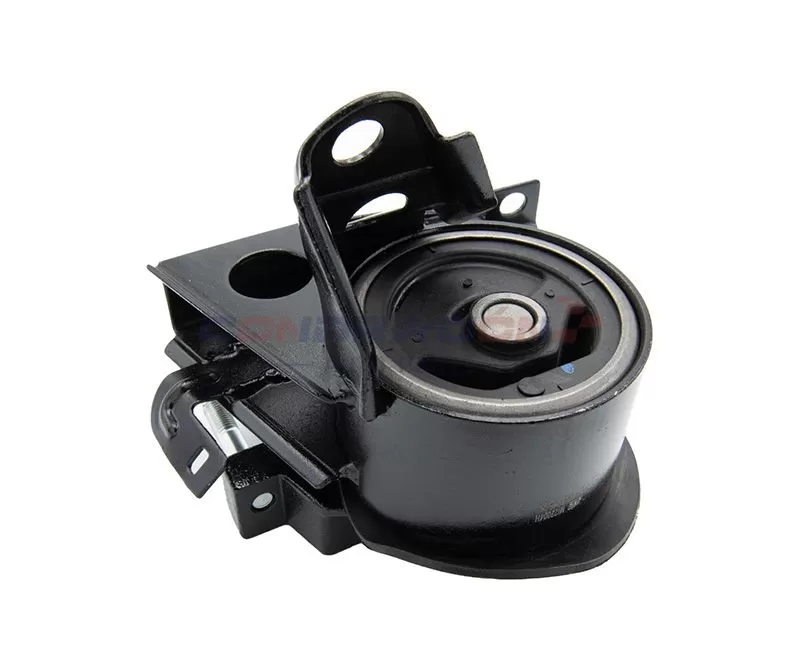
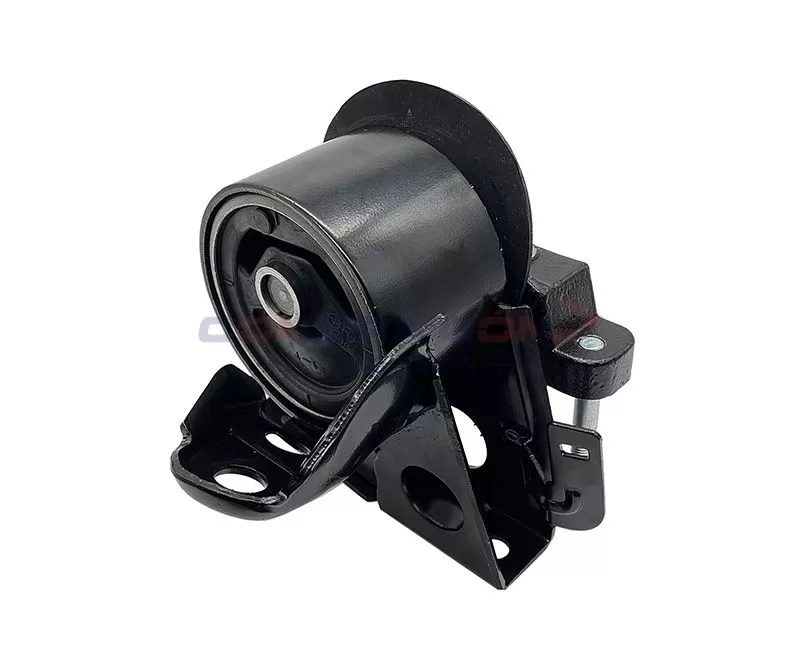
Your engine generates a massive amount of power. Thousands of small, controlled explosions occur inside the cylinders every minute, creating intense heat and severe mechanical vibrations. Without a buffer, that energy would transfer directly into the chassis, making the car incredibly uncomfortable to drive and potentially shaking other parts loose.
This is where your car engine mount steps in. These mounts act as a structural bridge between the motor and the frame of the vehicle. They are typically made from a combination of sturdy steel brackets and thick rubber blocks. Some modern vehicles even use advanced liquid-filled or active mounts that adapt to different driving conditions.
The rubber or liquid absorbs the shocks and vibrations produced by the motor. Meanwhile, the steel provides the necessary strength to keep the heavy block firmly anchored in place during hard acceleration and sudden stops. They also help keep the powertrain properly aligned, which is essential for the transmission and axles to function correctly.
Rubber degrades over time, and metal can suffer from fatigue. Because these parts endure constant stress, they eventually wear out. Knowing the common engine mount symptoms can save you from more expensive repairs later.
The most obvious indicator of a failing mount is increased vibration inside the passenger cabin. If your steering wheel, dashboard, or seats shake significantly while the vehicle is idling at a stoplight, the rubber dampeners have likely collapsed. The motor is now transferring its natural movement directly into the chassis.
You might start hearing loud clunking or banging noises coming from the engine bay. This usually happens when you accelerate, brake hard, or shift gears. The noise occurs because the broken mount allows the motor to shift violently and physically strike other components or the frame.
If you open the hood and have someone rev the motor while the vehicle is in park, you should see very little movement. If the block twists or jumps noticeably, you have a broken mount. Excessive movement can stretch and snap belts, hoses, and wiring harnesses, leading to catastrophic breakdowns.
Understanding why these parts fail can help you extend their lifespan. Several factors contribute to the degradation of the rubber and metal components over time.
Age is the most significant factor. Rubber naturally loses its elasticity and becomes brittle as it gets older. Exposure to extreme temperature fluctuations under the hood accelerates this aging process. After several years, the rubber will eventually crack and tear under the torque of the motor.
Fluid leaks also play a major role in premature failure. Engine oil, power steering fluid, and transmission fluid are highly corrosive to rubber. If your vehicle has a leak that drips onto a mount, the fluid will quickly eat away at the rubber dampener, causing it to fail much sooner than it normally would.
Your driving habits matter as well. Aggressive driving, such as rapid acceleration, harsh braking, and dropping the clutch, places immense stress on the mounts. Consistently pushing your vehicle to its limits will tear the rubber and bend the metal brackets over time.


To help you diagnose potential problems quickly, refer to the table below. It outlines common complaints, their probable causes, and the necessary solutions.
Problem Observed | Most Likely Cause | Recommended Solution |
Severe shaking while idling | Degraded or collapsed rubber dampener | Inspect all mounts and install new ones as needed |
Loud clunking during gear shifts | Broken metal bracket or completely sheared rubber | Replace the broken part immediately to prevent further damage |
Motor shifts upward when revving | Snapped upper torque strut | Install a new torque strut to stabilize the powertrain |
Fluid dripping onto the lower frame | Leaking oil or power steering fluid | Fix the fluid leak first, then assess the rubber for chemical damage |
Alignment issues with belts and hoses | Sagging motor due to uneven wear | Check the alignment and replace the affected supports |
When a mount fails, fixing it promptly is critical. Delaying the repair will only place extra stress on the remaining mounts, causing them to fail in rapid succession. The repair process itself requires specific tools and a solid understanding of automotive mechanics.
During a typical engine mount replacement, a mechanic must support the weight of the motor using a specialized jack or hoist. They cannot simply unbolt the old part, as the heavy block would drop and damage the transmission or axles. Once the weight is safely supported, the technician unbolts the damaged part, removes it from the tight engine bay, and installs the new one.
The labor involved varies heavily depending on the vehicle. Some upper mounts take less than an hour to swap out. Lower or rear mounts, especially on front-wheel-drive cars, can be notoriously difficult to reach. They often require the removal of other components like the exhaust system, steering rack, or air conditioning lines to gain access.
It is highly recommended to replace them in sets. If one has failed due to age or wear, the others are likely close to failing as well. Furthermore, a broken mount forces the others to handle more stress, which weakens them significantly.
You should avoid driving the vehicle if possible. While the car might still move, the excessive motor movement can snap critical hoses, break exhaust manifolds, and damage the transmission. Driving with a broken mount turns a relatively straightforward repair into a massive mechanical disaster.
On average, you can expect them to last between 60,000 and 100,000 miles. However, this lifespan varies greatly depending on the vehicle's make, your driving style, and the climate you live in. Regular inspections during oil changes will help you catch wear and tear early.
Maintaining the structural integrity of your vehicle's powertrain is essential for a safe and comfortable driving experience. By paying attention to excessive vibrations and unusual clunking noises, you can catch mounting issues before they cause widespread mechanical damage.
Always fix fluid leaks promptly to protect the rubber components, and avoid overly aggressive driving habits that stress the drivetrain. If you suspect an issue, have a professional mechanic inspect the system immediately. Taking proactive steps today will save you money and keep your vehicle gliding down the highway for years to come.


